Iran Highlights – Tehran, Isfahan, Shiraz & Persepolis
An 8 day Iran Highlights Tour resulted in endless memories of the beautiful country, the welcoming people, the delicious food and the culture and attractions that span thousands of years dating back to ancient civilization. It’s a matter of when, not if, I’ll be returning someday to experience more of what Iran is and has to offer. I booked a customized tour with a local Iranian tour operator Uppersia and it couldn’t have been any better, super fortunate to have a new friend Ali travel with me and show me about his country. Our itinerary had us visiting major cities such as Tehran, Isfahan, Shiraz and a day trip to the ancient city of Persepolis just outside of Shiraz. Highlights of Iran can be found below of the wonderful people, culture, cuisine, history and country.
Tehran
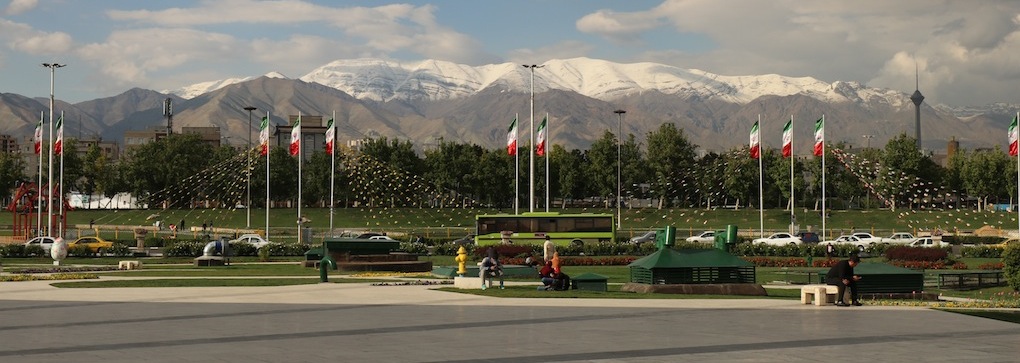
Tehran is the modern capital of Iran and in this sprawling metropolis you will find everything from grand bazaars, mosques and shrines, to world class museums such as the National Jewelry Museum and the National Museum of Iran. The artifacts and articles on display is so impressive that it’s difficult to describe unless you see them with your own eyes. The National Jewelry Museum housed some of the most extravagant royal crowns & thrones with more sparkling diamonds/jewels than one could possible desire. Unfortunately super strict guidelines meant no photos so you can just see online for yourself HERE.
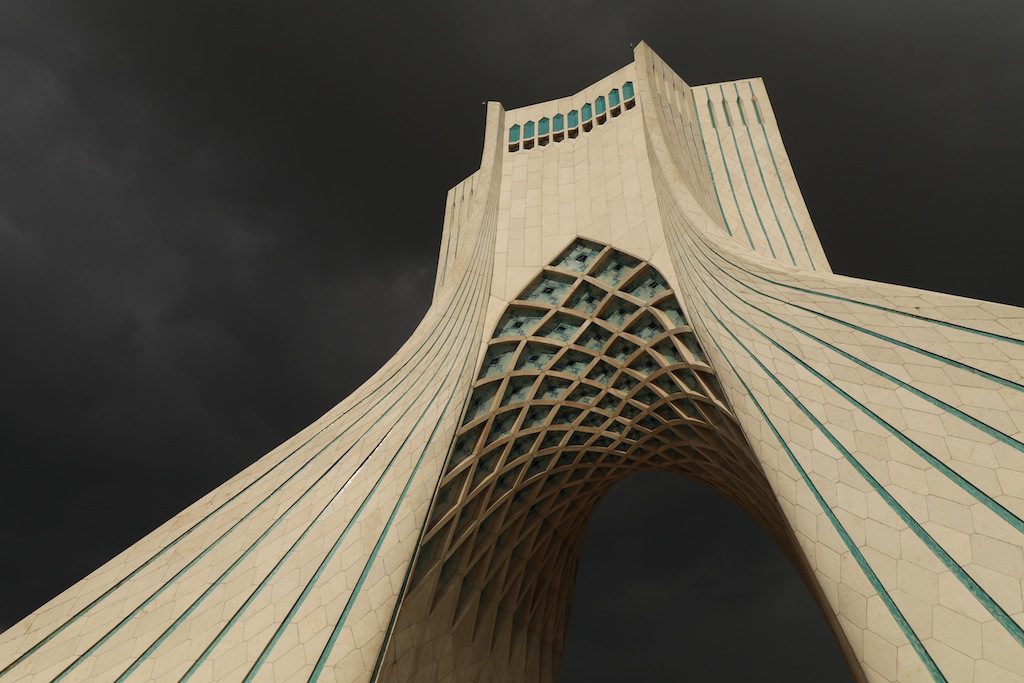
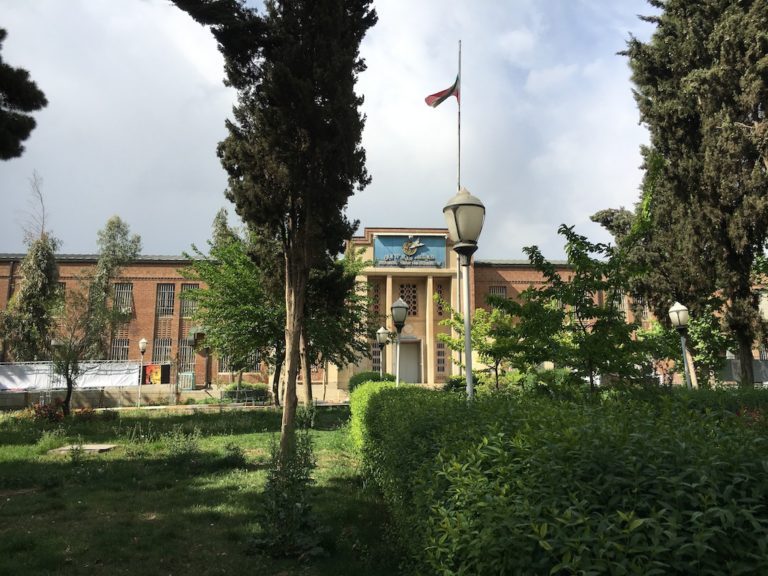
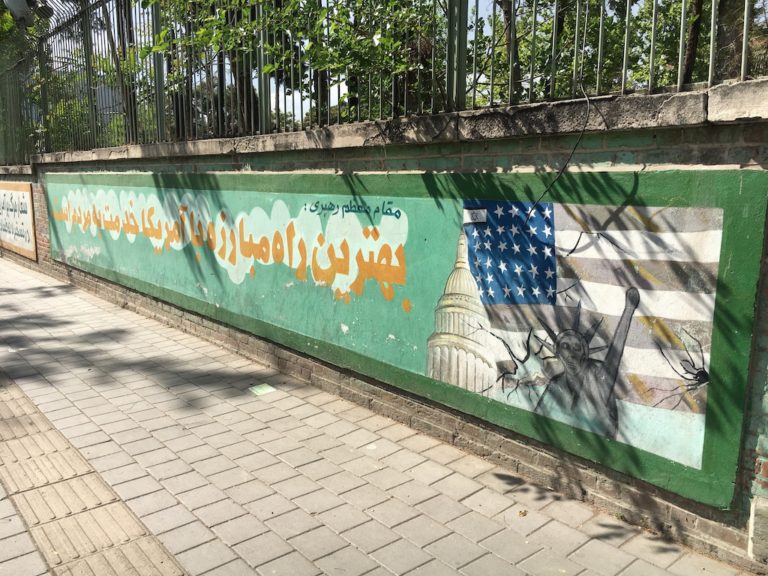
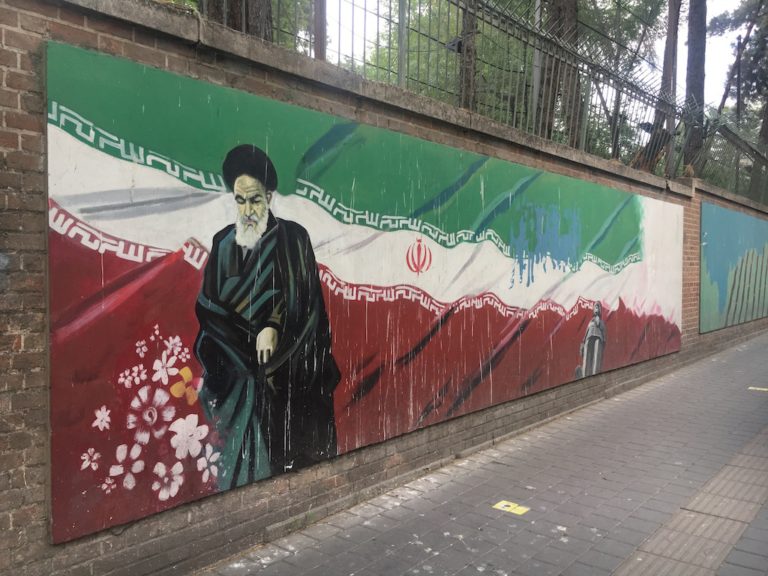
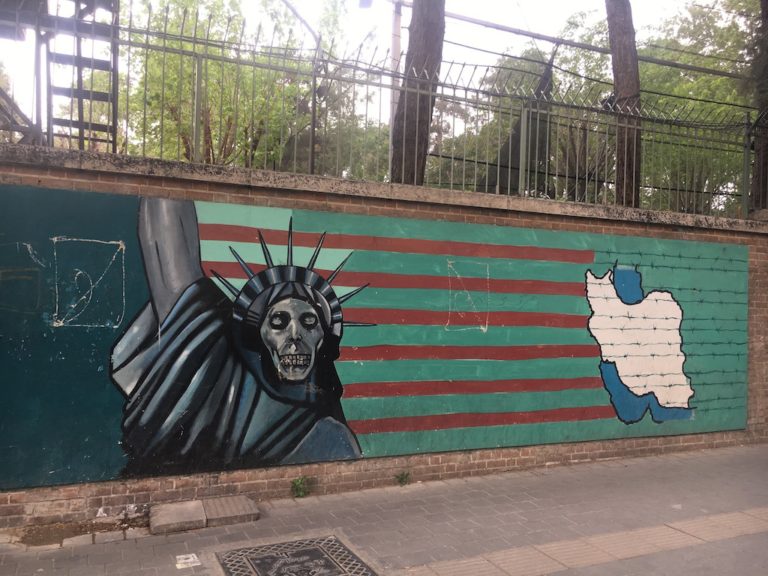
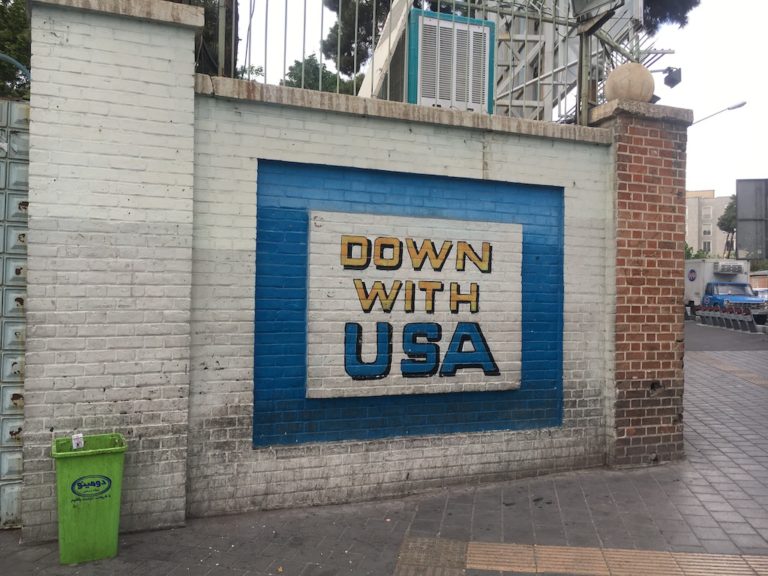
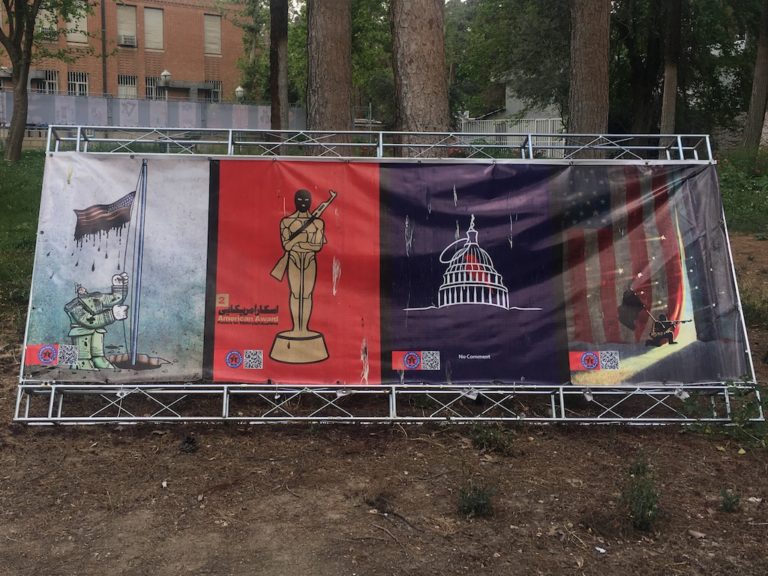
A very visible landmark of the 1979 Iranian Revolution can be seen at the site of the former US Embassy in Tehran. The Embassy was taken over during the revolution and hasn’t changed hands since. Today, it’s a museum housing remnants of the pre-revolution era, with the compound walls painted with murals depicting anti-American motifs, a grim reminder of history and the tension between the two countries. These murals primarily remain as a legacy of the revolution as these anti-American beliefs are not what the majority of Iranians carry if you talk with them.
Naqsh-e Jahan Square, Isfahan
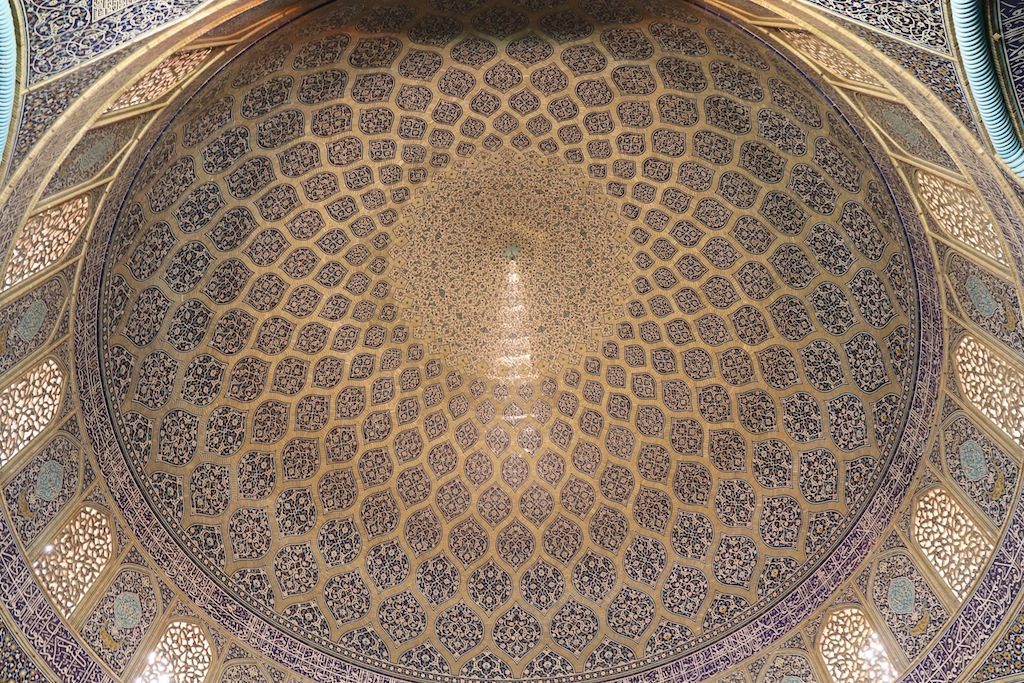
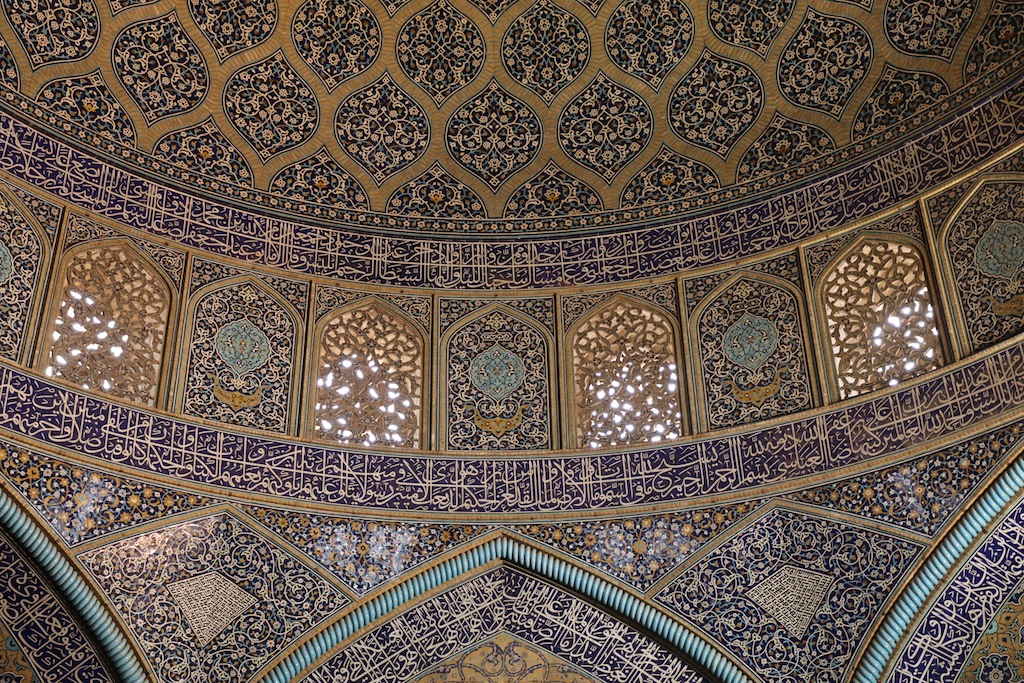
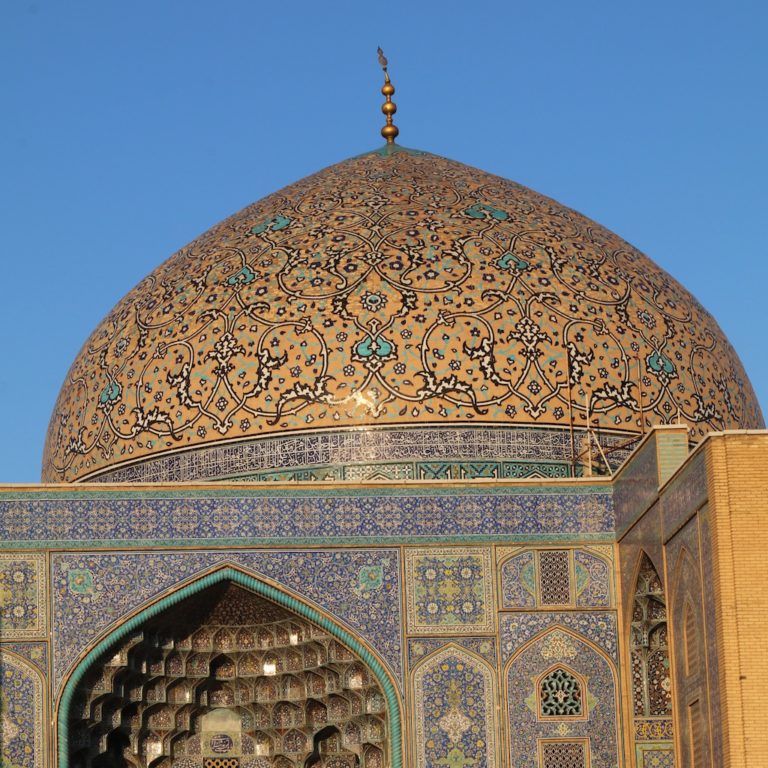
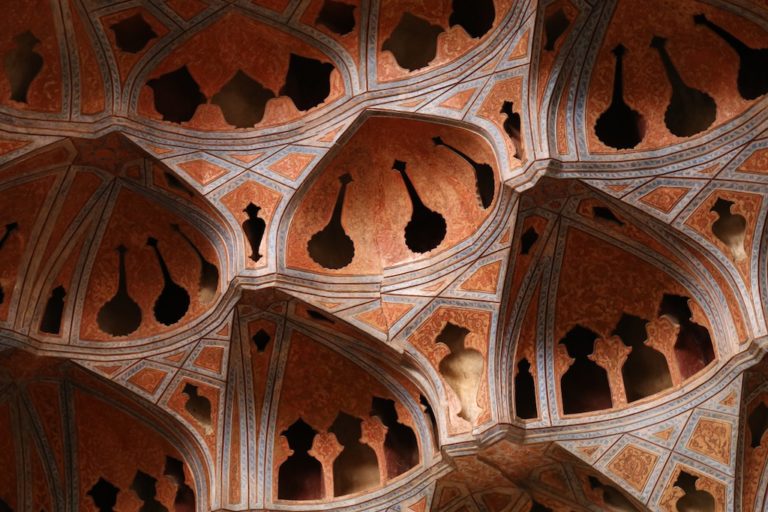
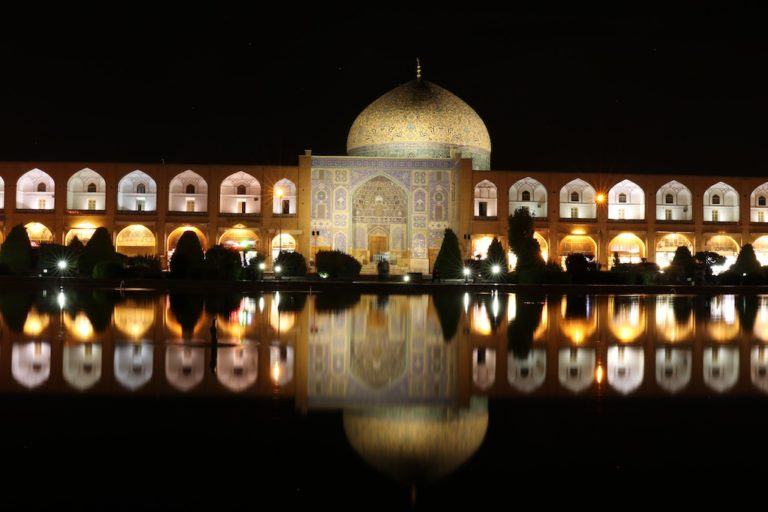
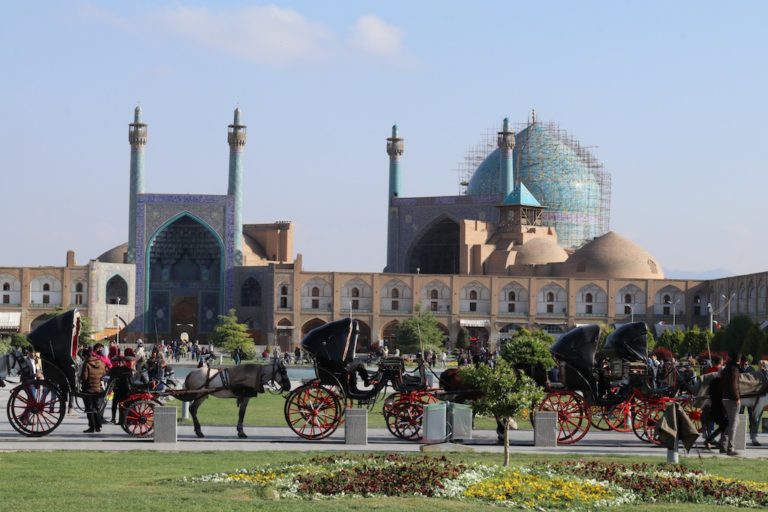
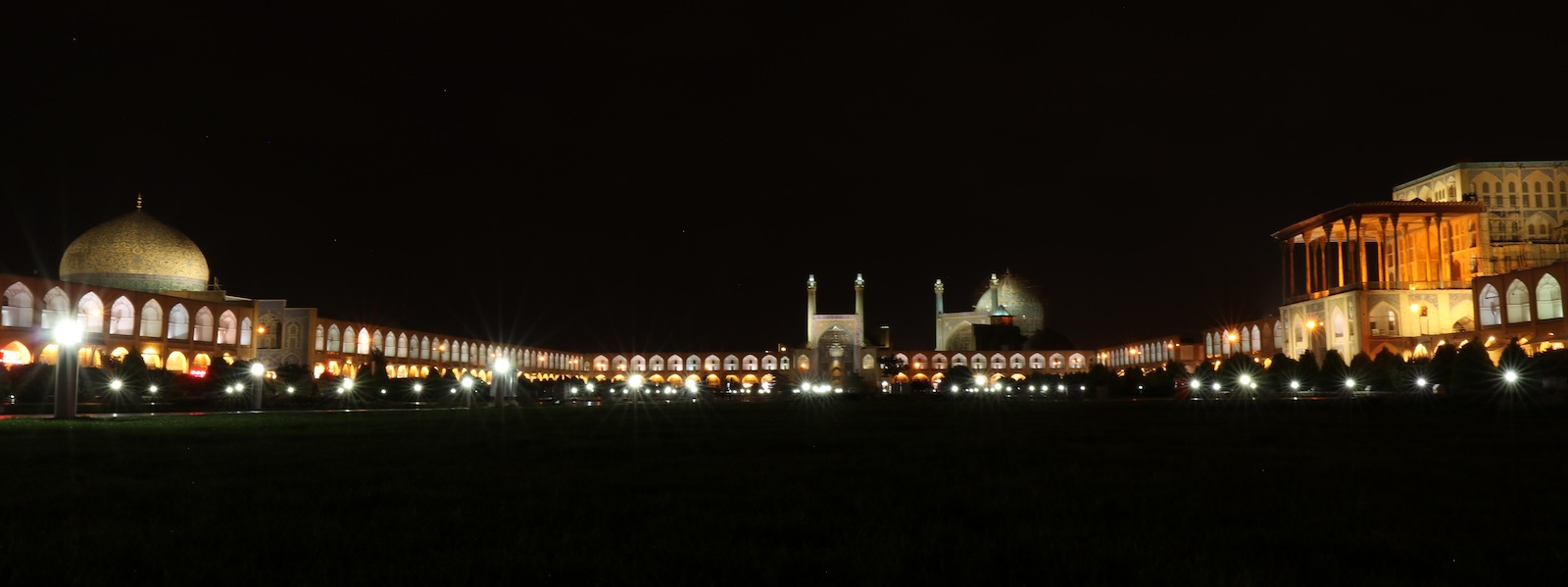
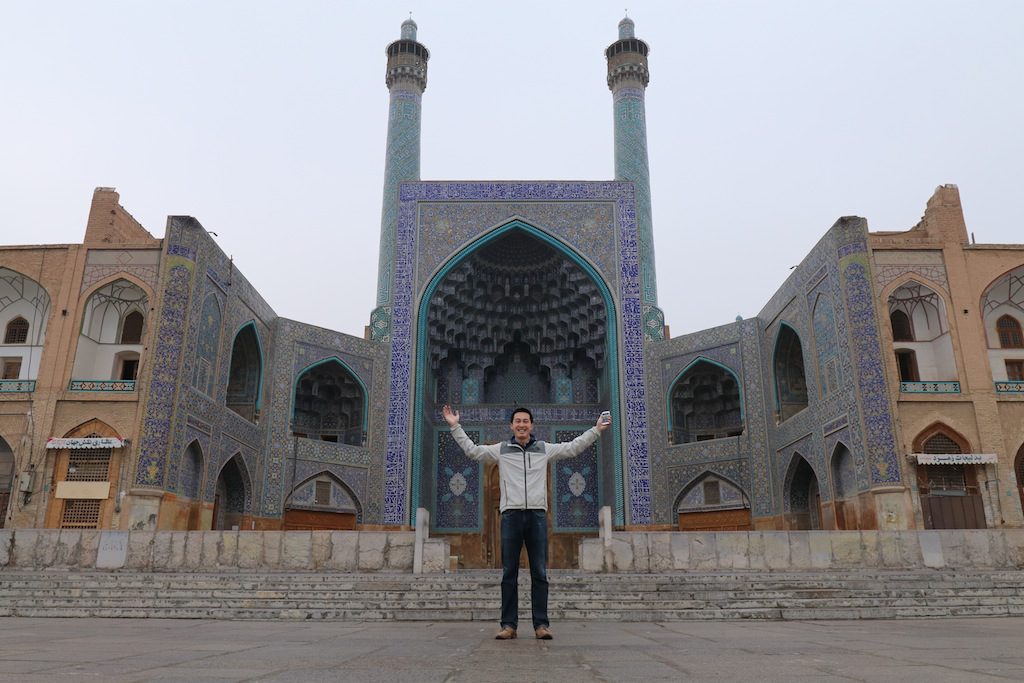
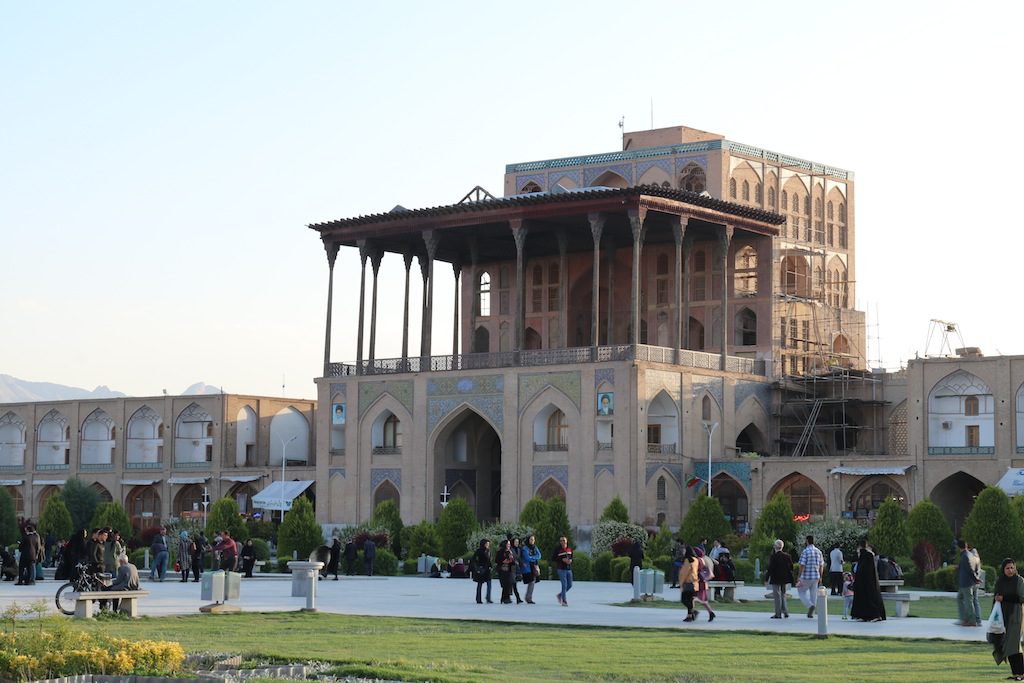
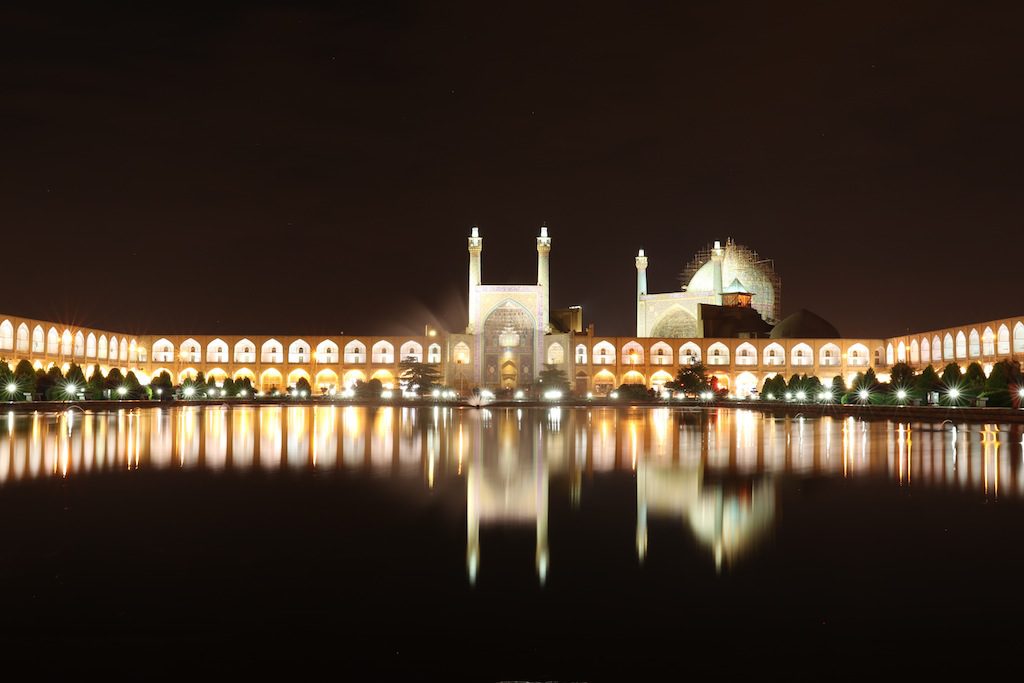
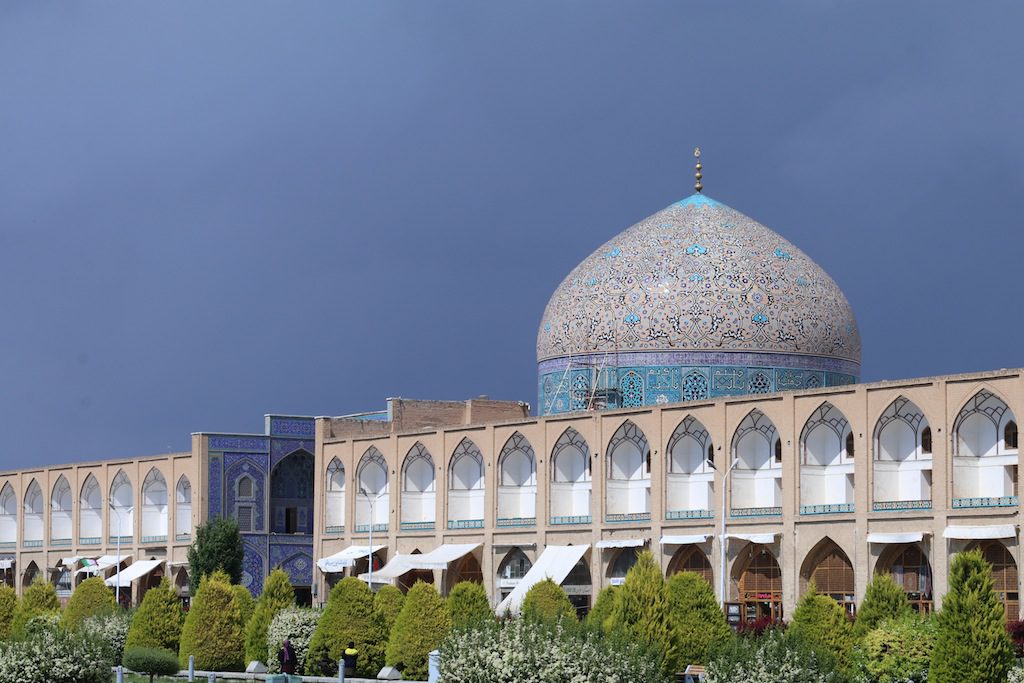
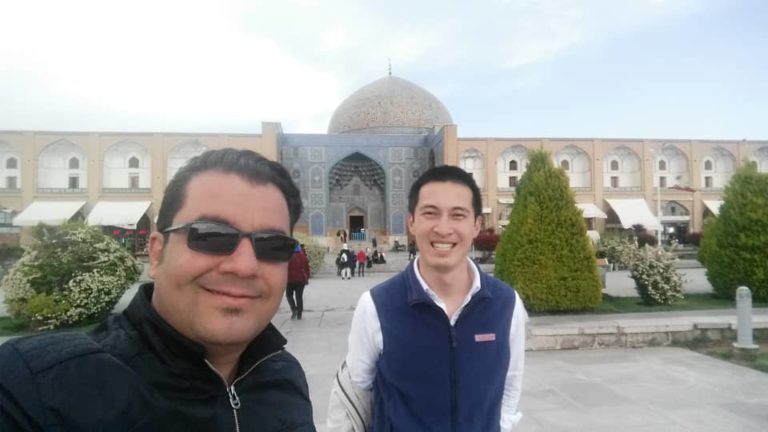
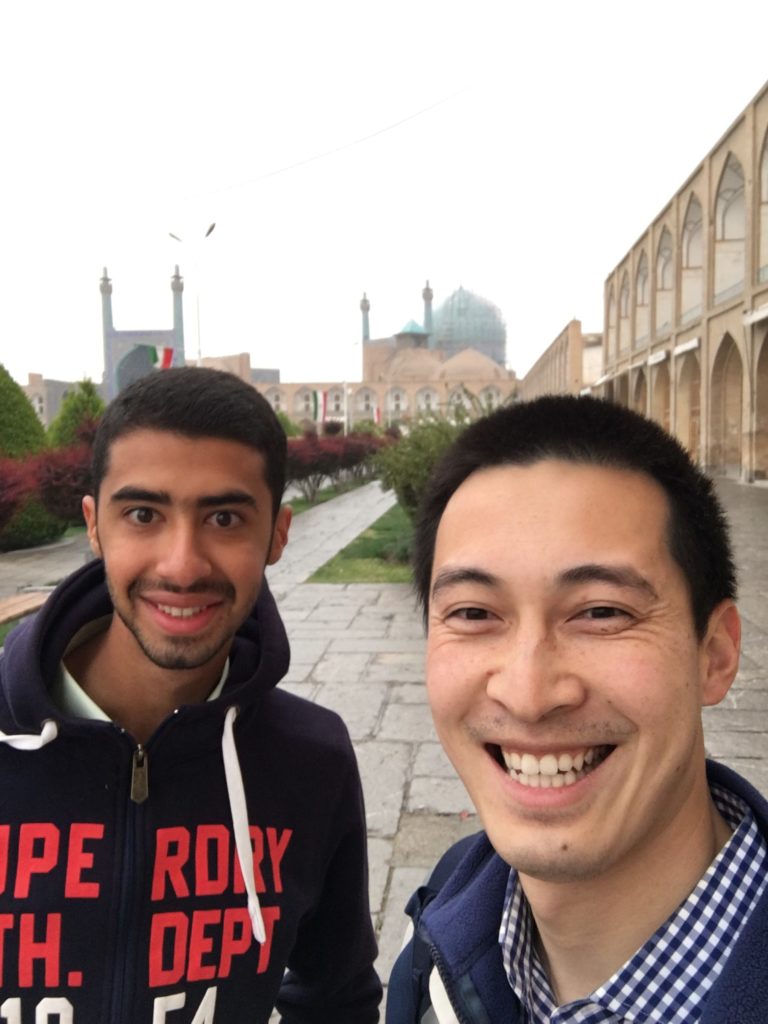
At the heart of Isfahan is the Naqsh-e Jahan Square. This square has four major attractions on each side of it. From the grand Royal Shah Mosque to the stunning dome of the Sheikh Lotfollah Mosque and everything in between such as Ali Qapu Palace and the entrance gate to the surrounding bazaars selling Persian specialities.
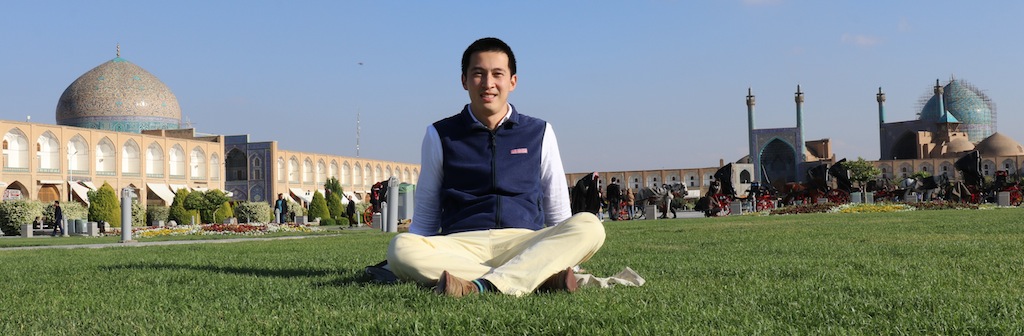
Naqsh-e Jahan Square, Isfahan
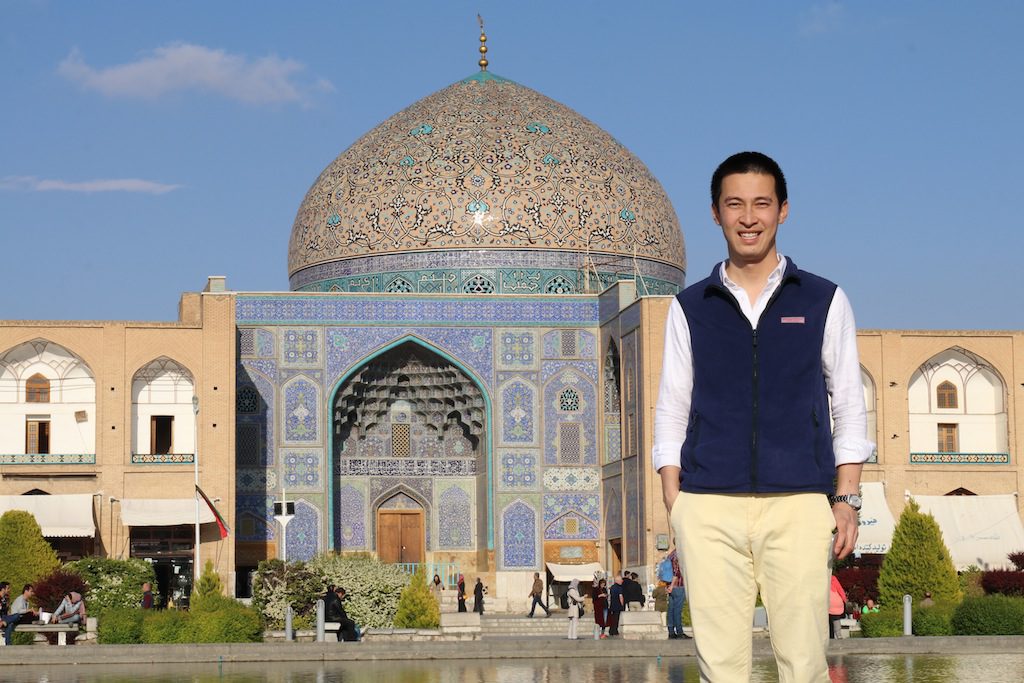
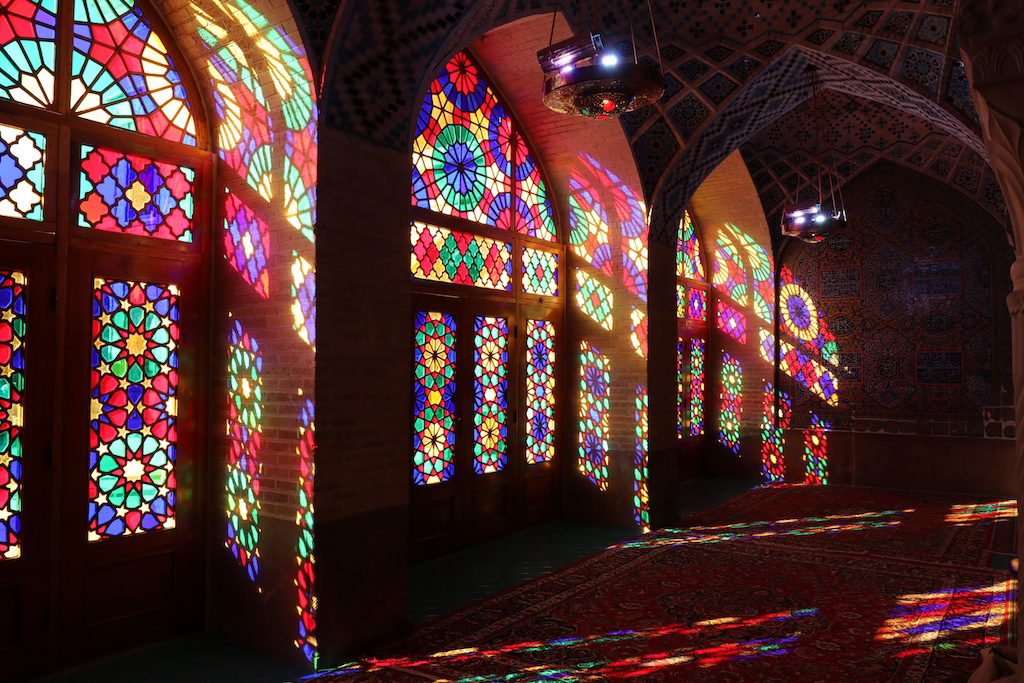
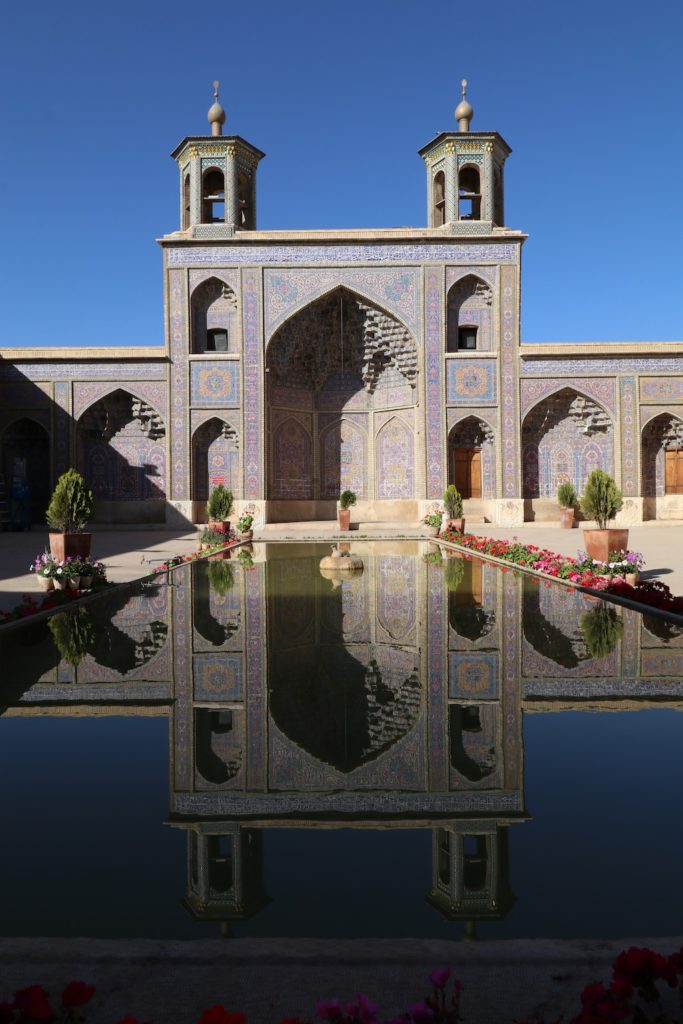
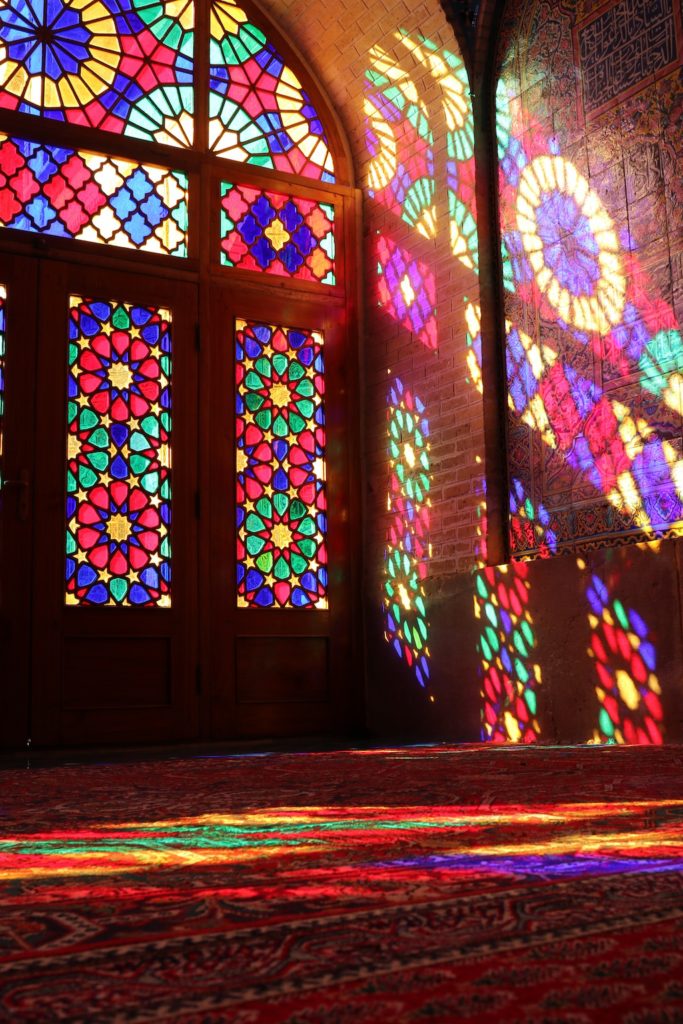
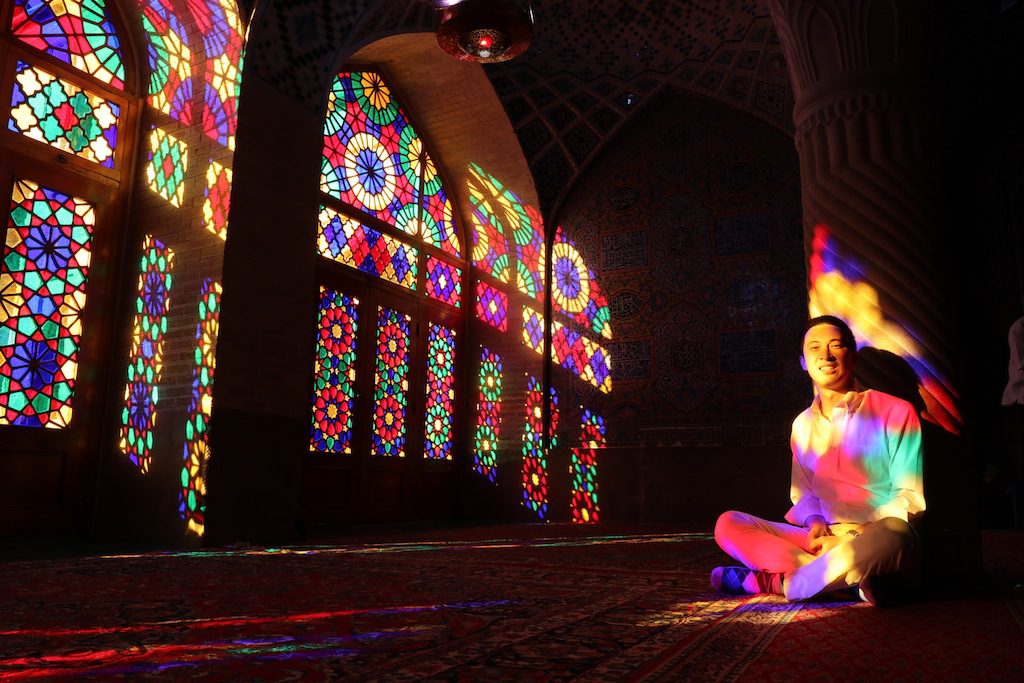
Nasir al-Mulk Mosque (Pink Mosque) in Shiraz
This beautiful mosque in the city of Shiraz is famous for its stain glass windows in the praying halls. During the morning sunlight hours, the halls are filled with colorful patterns of the stain glass windows reflected onto the walls and carpets. One of the most picturesque places of Iran for sure. Besides the morning light many travelers come to see, the courtyard of the mosque shouldn’t be forgotten either, where the reflection pool provides just as beautiful of a scene outside as the inside.
Bazaars of Iran
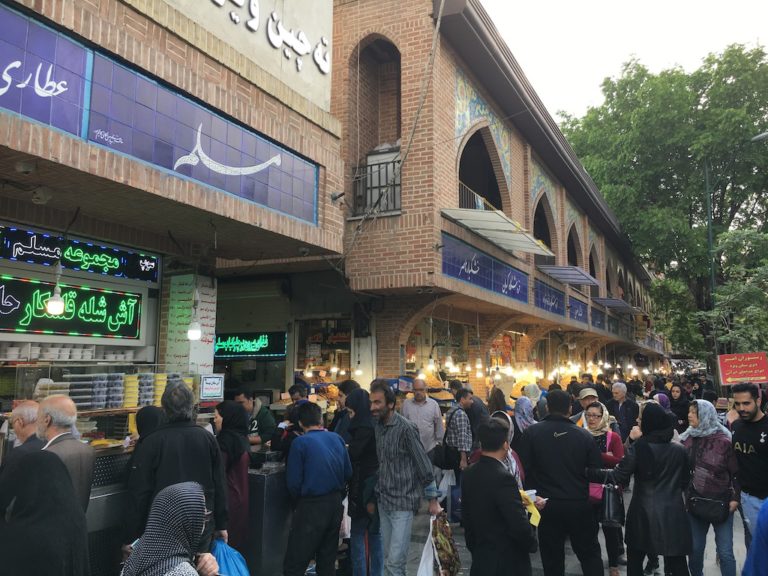
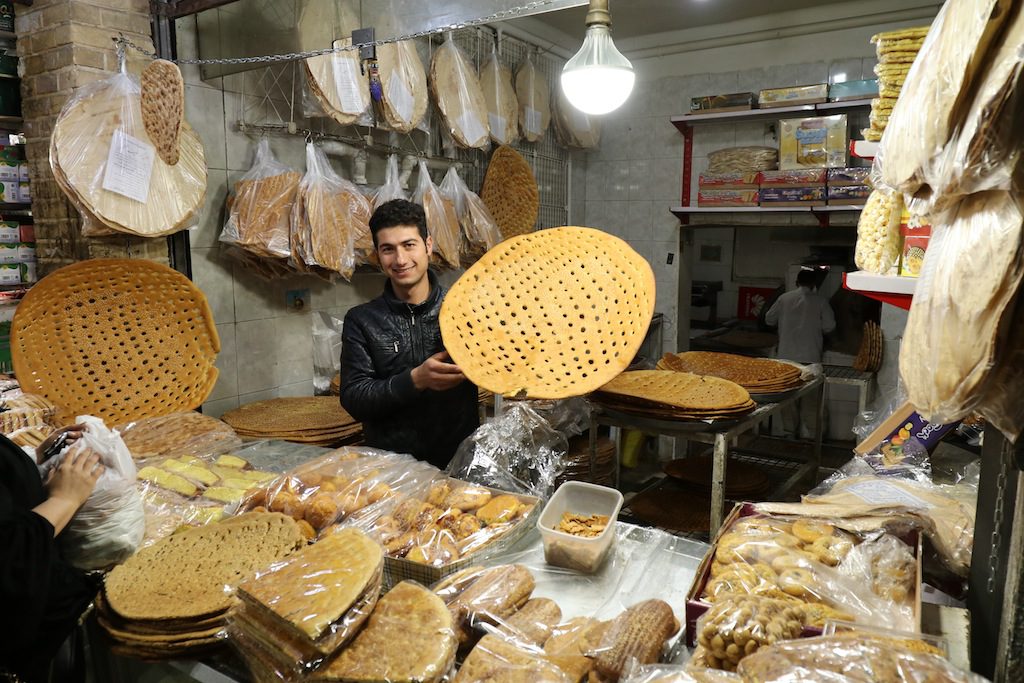
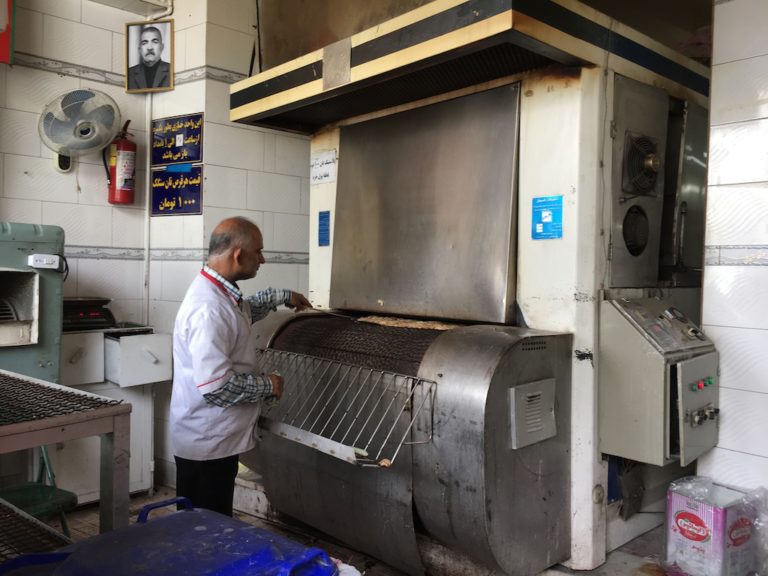
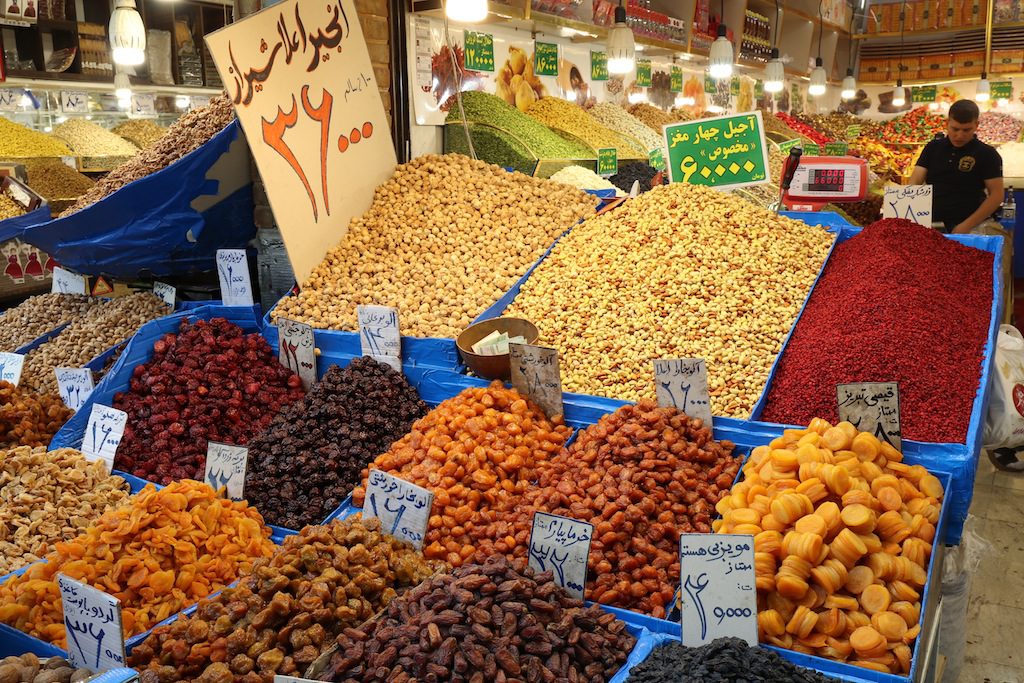
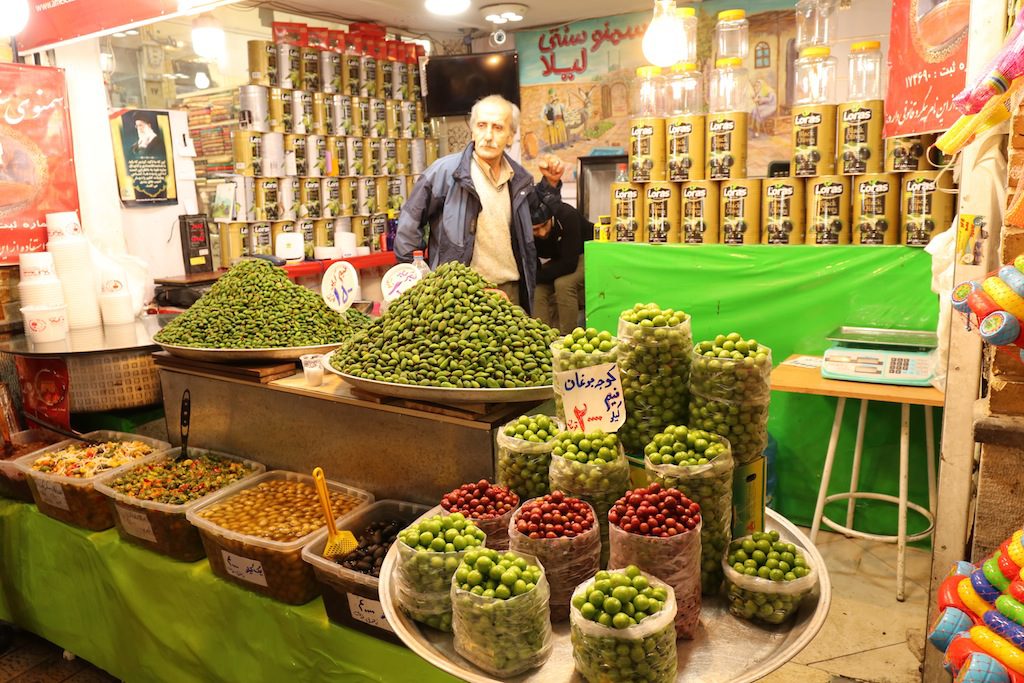
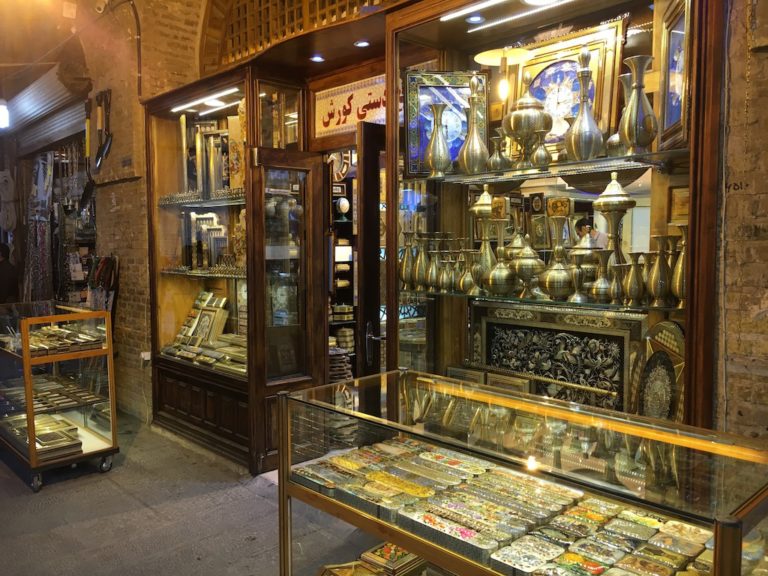
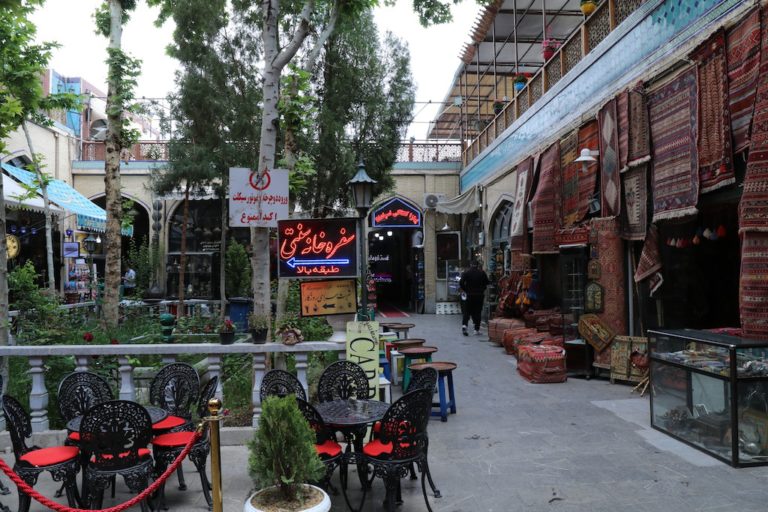
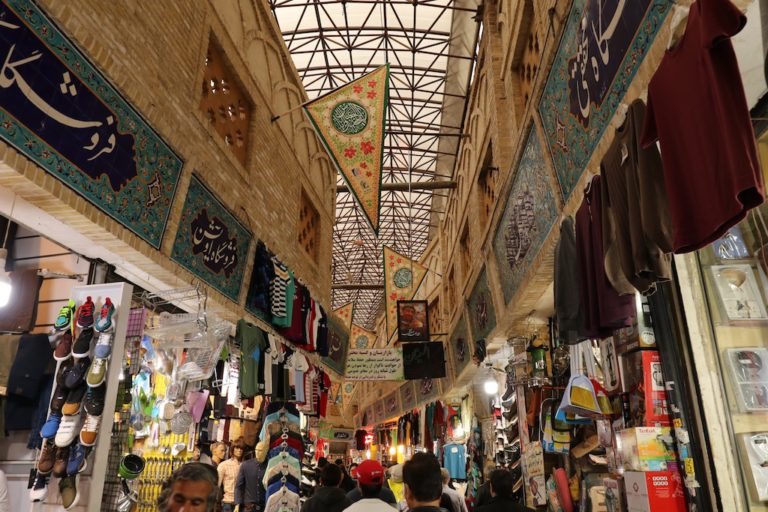
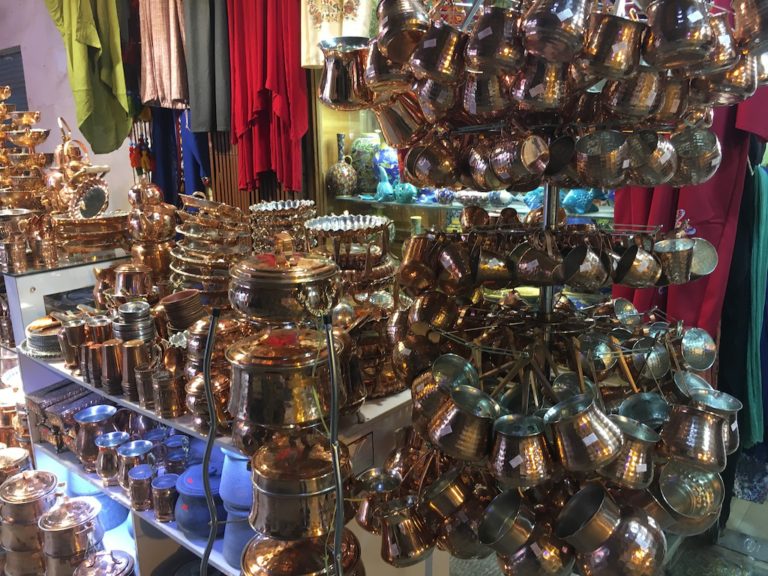
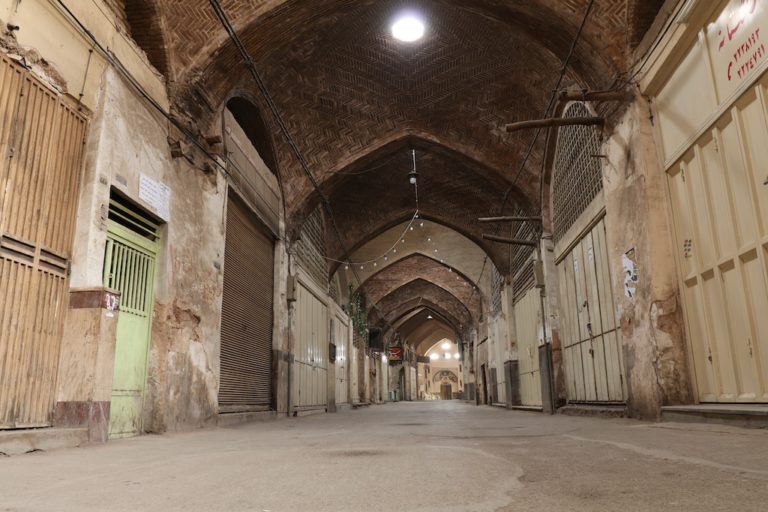
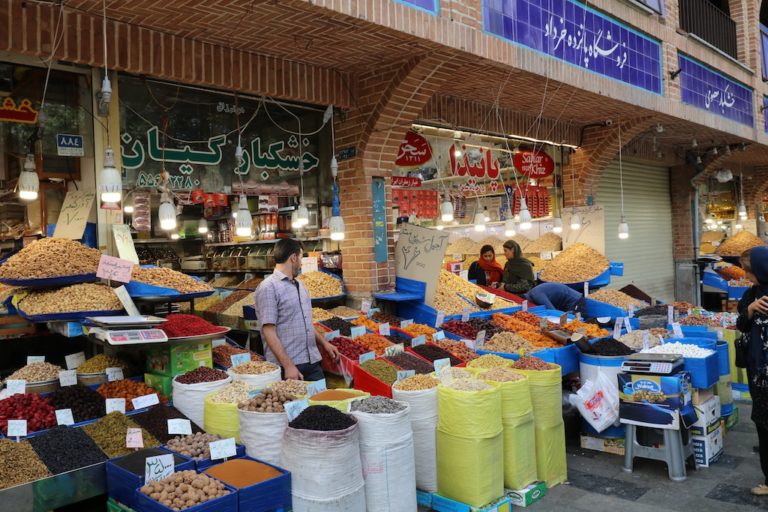
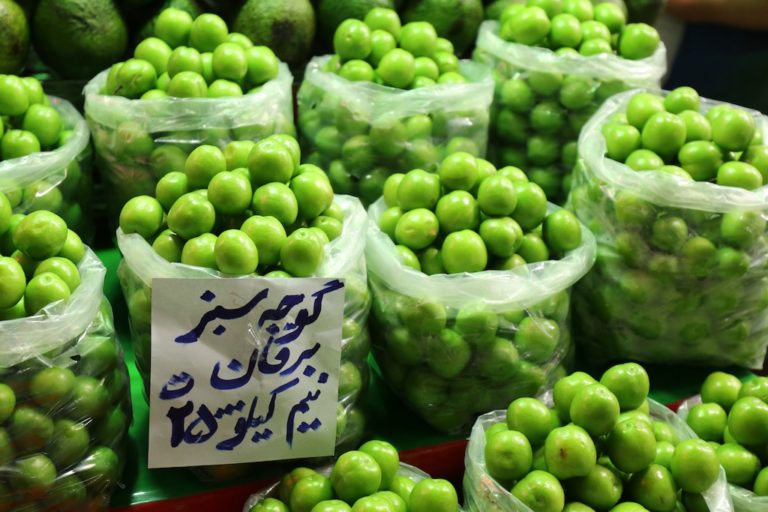
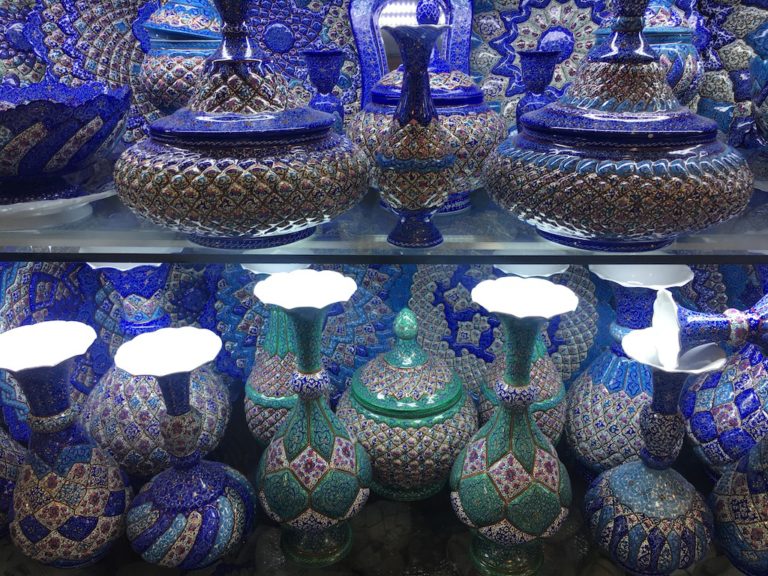
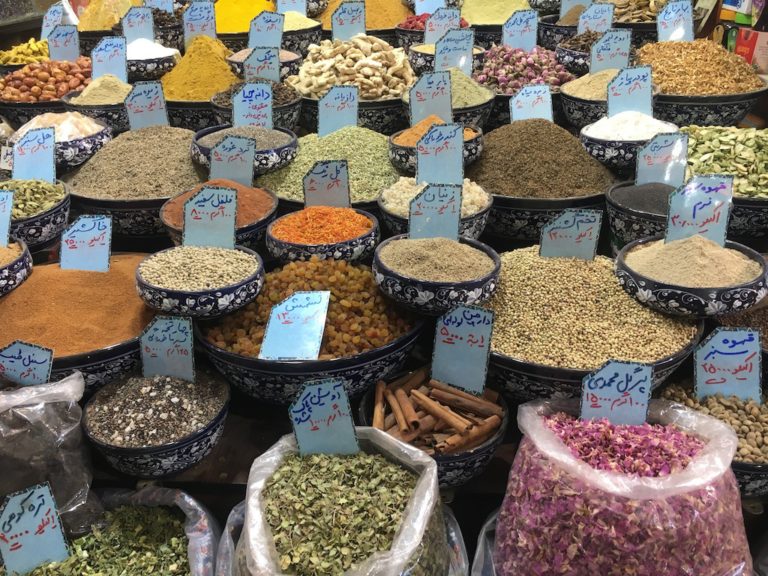
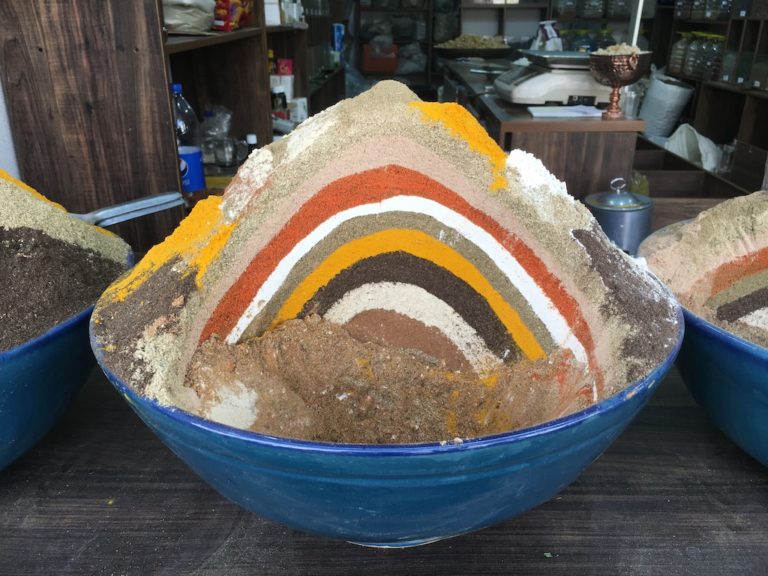
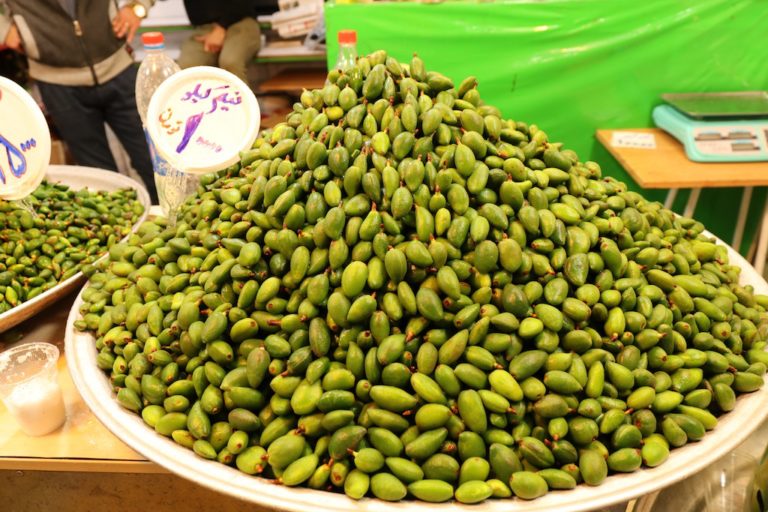
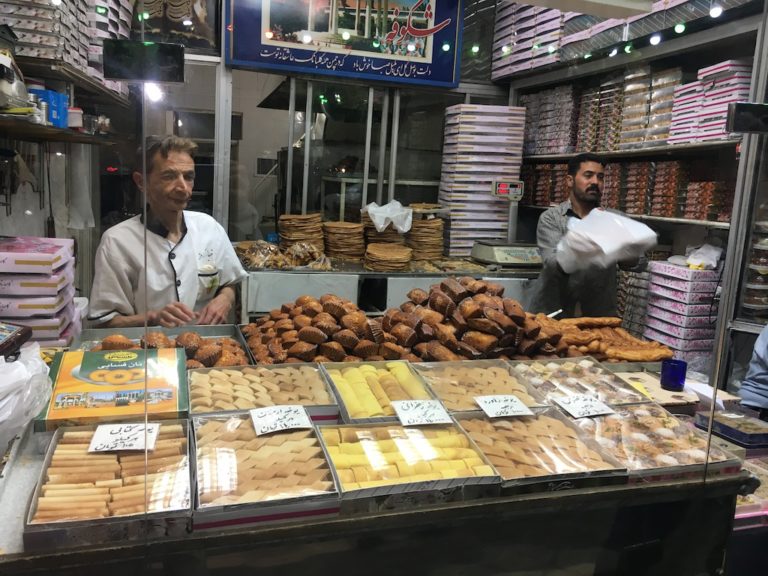
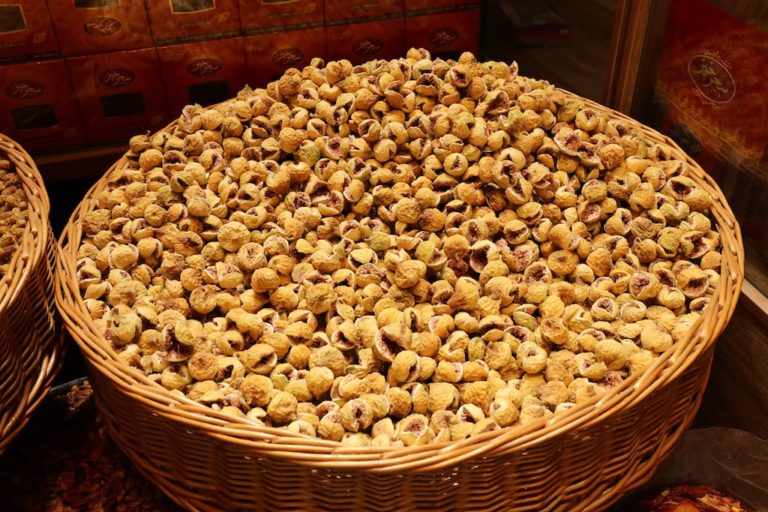
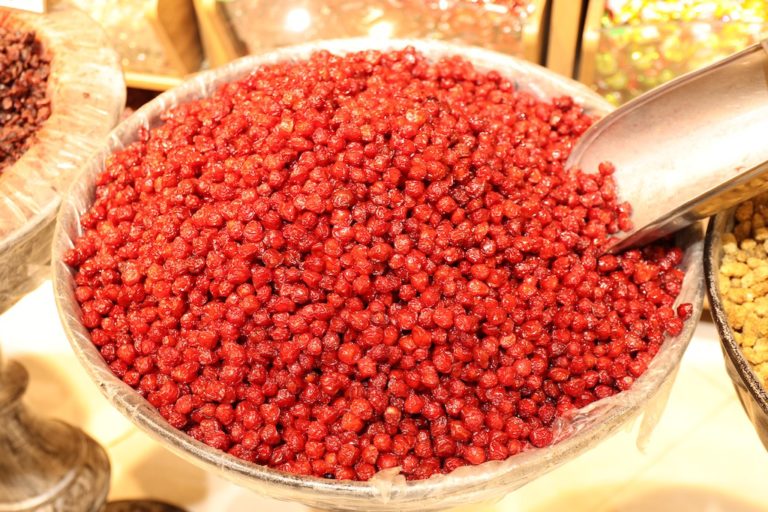
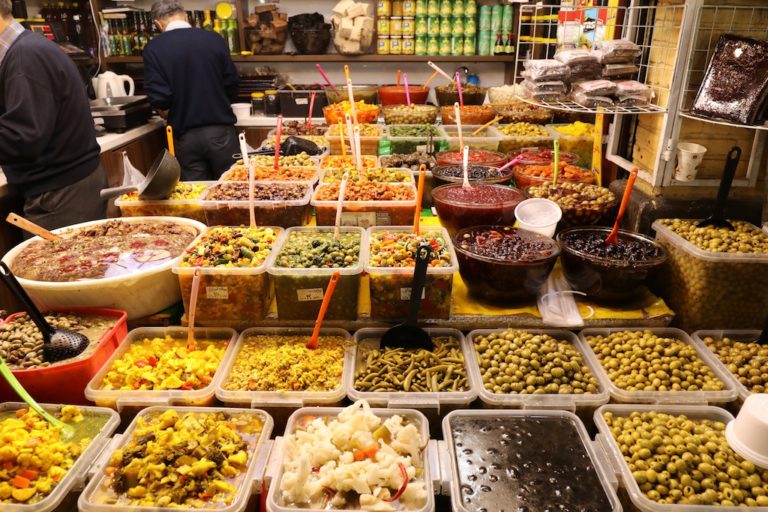
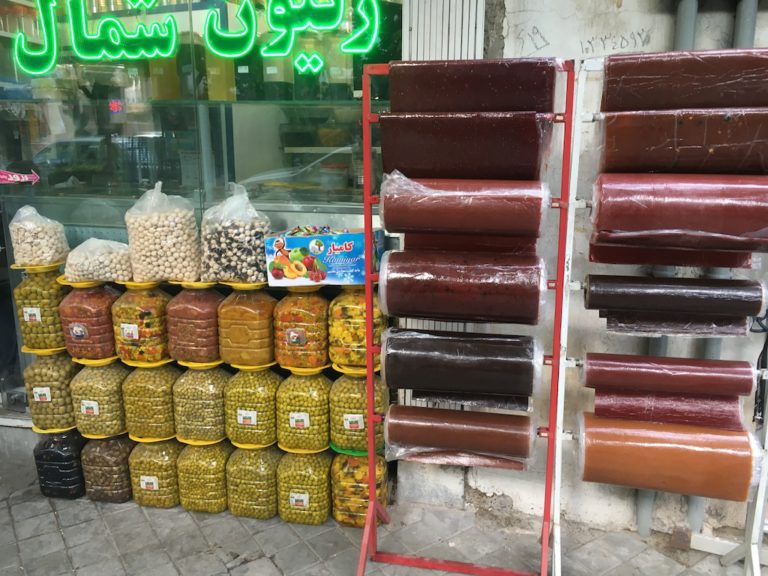
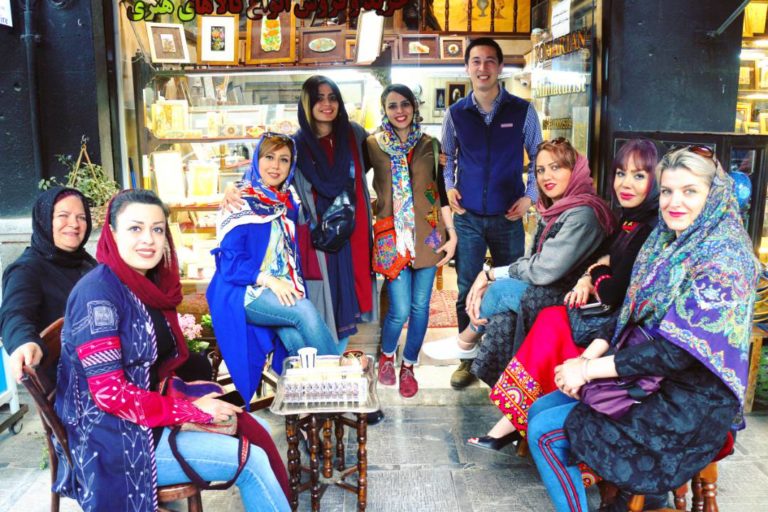
Just about anything can be found in the vast bazaars of Iran. Whether you’re in Tehran or Isfahan, or even a smaller city, chances are there is a bazaar nearby. Shops cover the entire spectrum from clothing, carpets, food/spices, to jewelry and anything and everything in between. It appears the vast majority of Persians buy their perishable goods/non major white goods at bazaars. Walking through the elaborate labyrinths of the bazaar will almost certainly make you lose sense of direction but in a good way. You’ll come across many shops and their friendly owners offering you to take a look at their products, a must do for anyone looking to get a glimpse of daily life in Iran and the bazaar shopping experience.
Persian Food
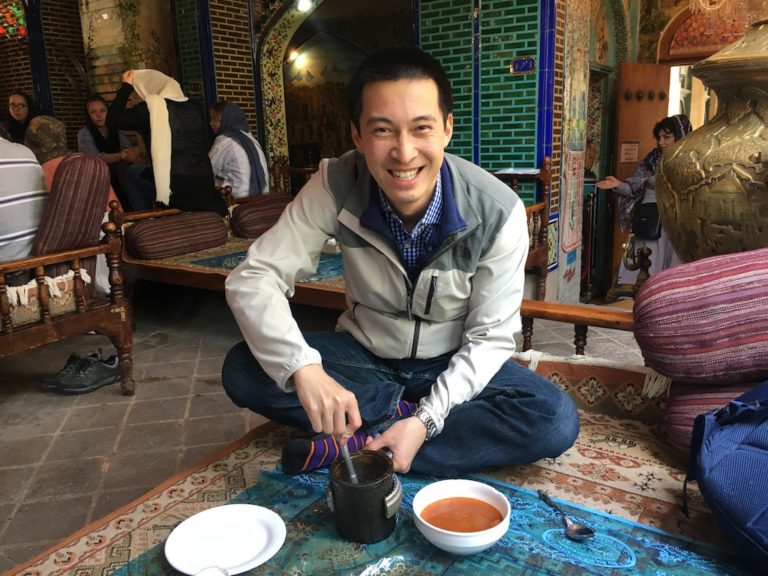
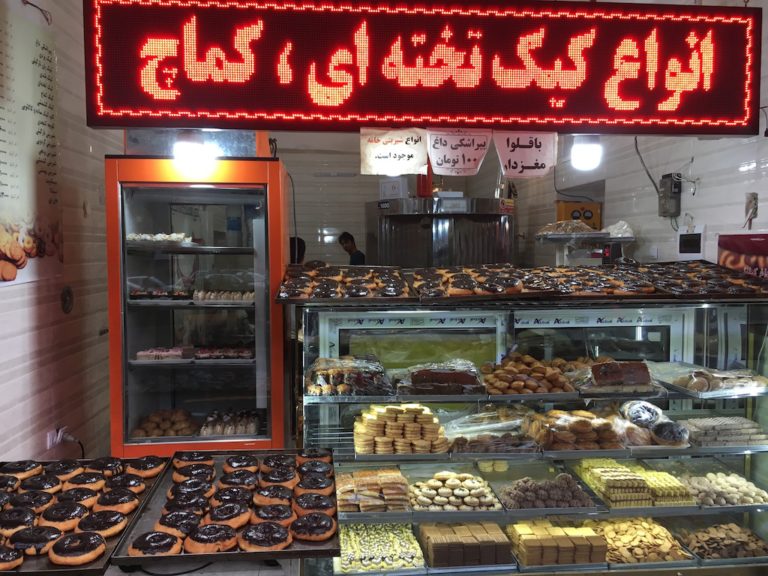
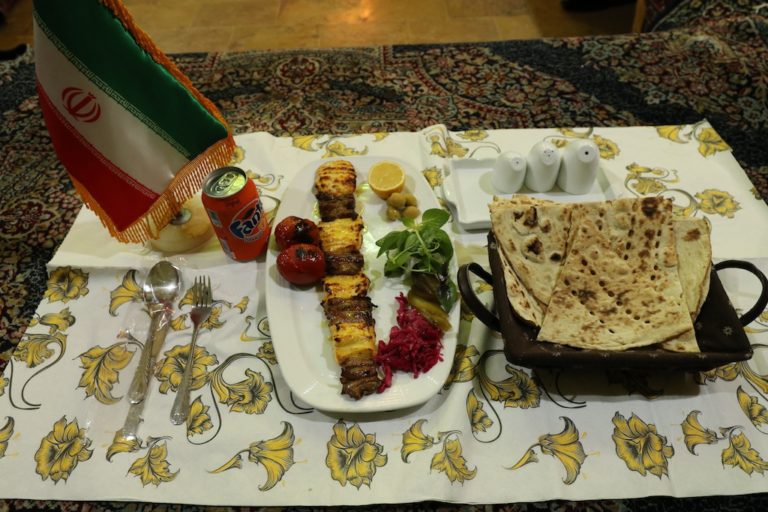
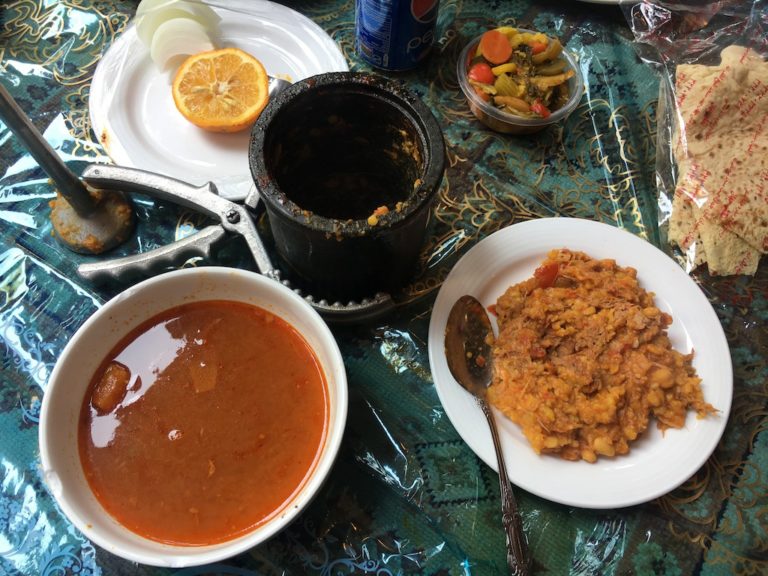
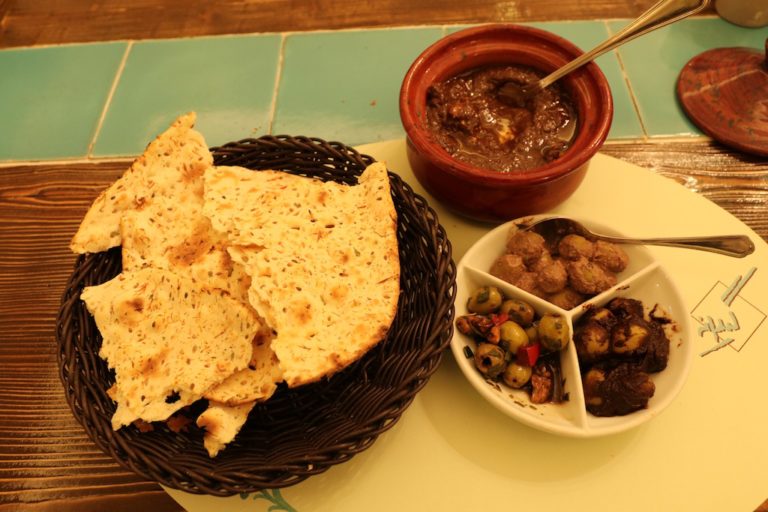
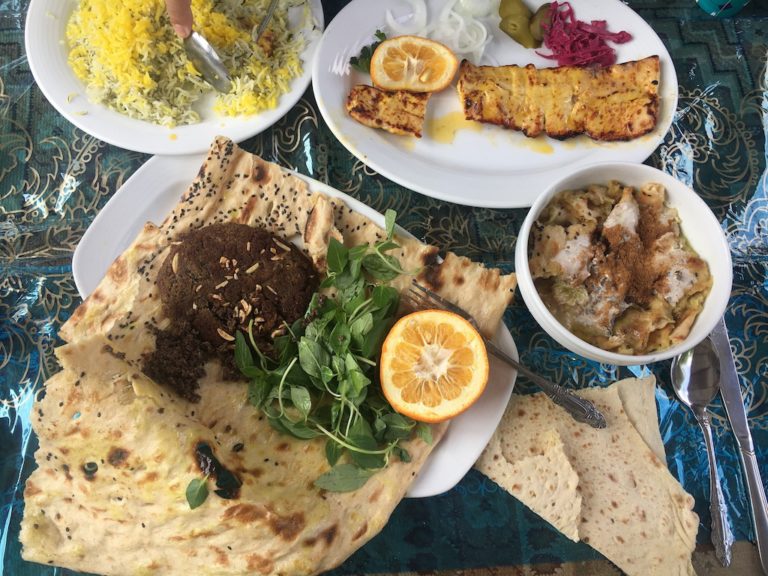
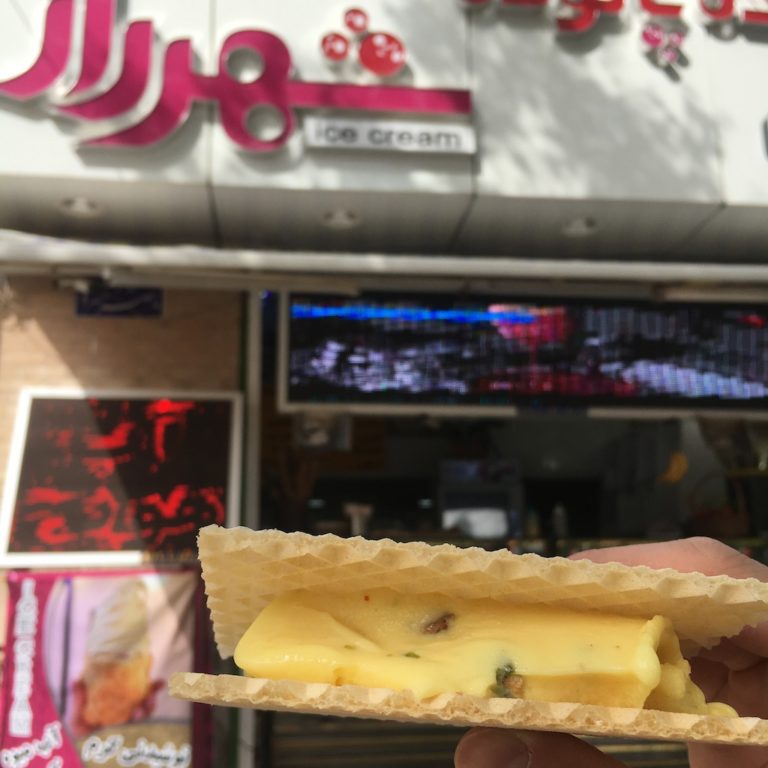
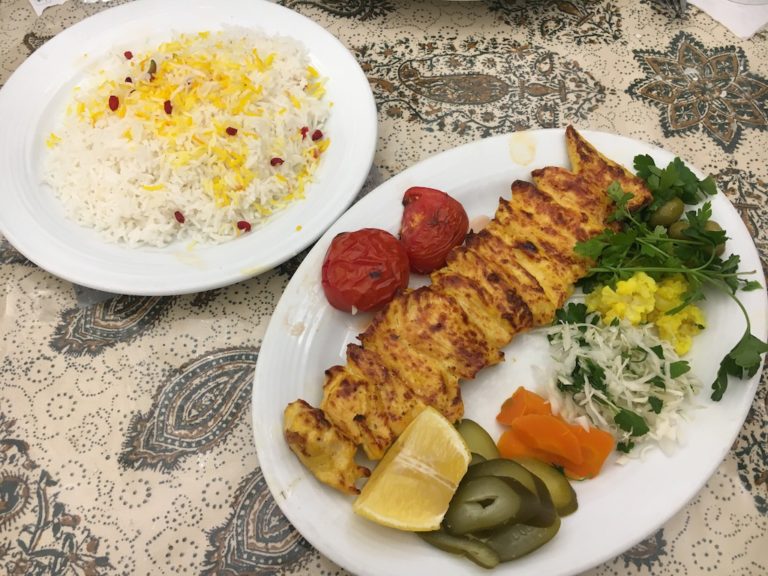
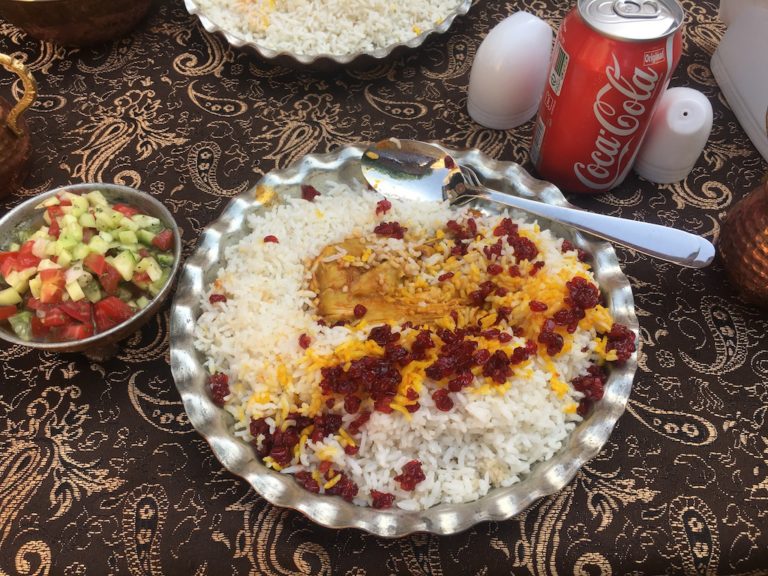
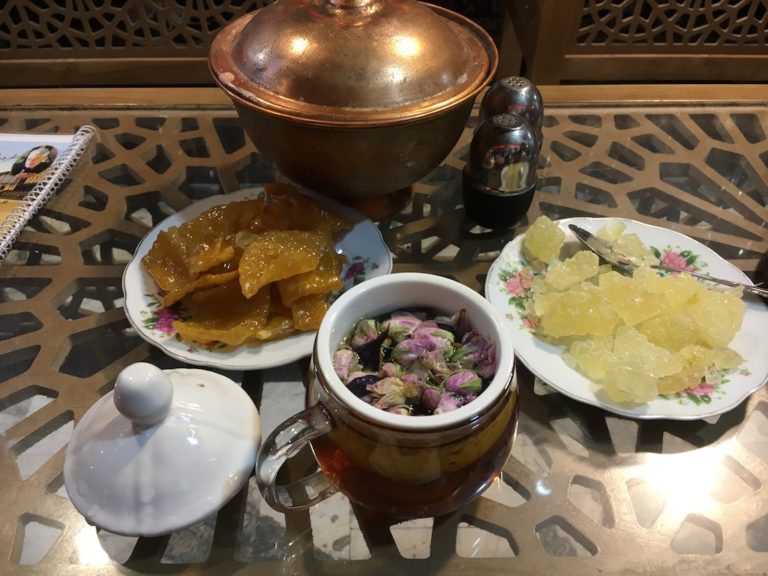
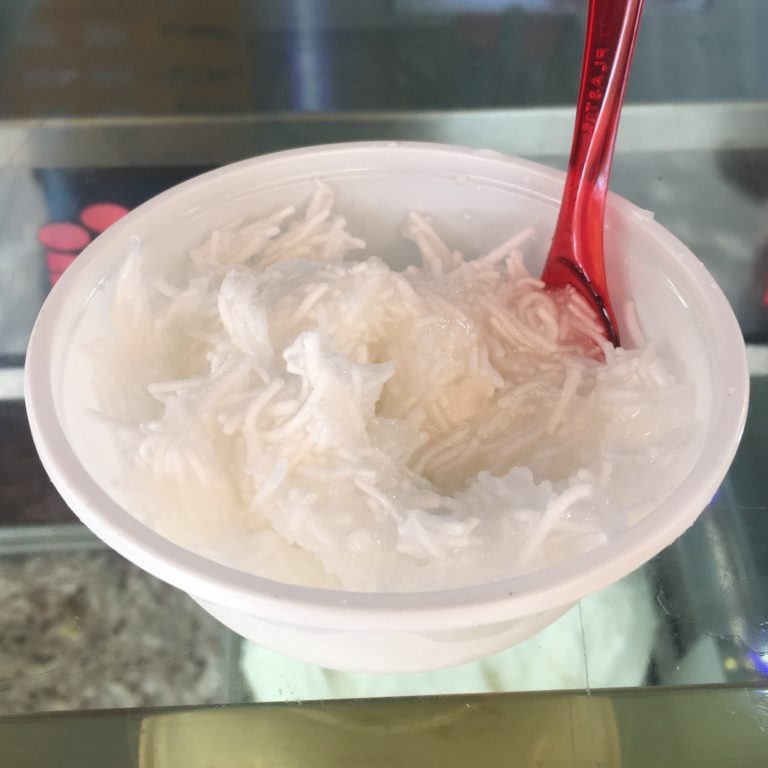
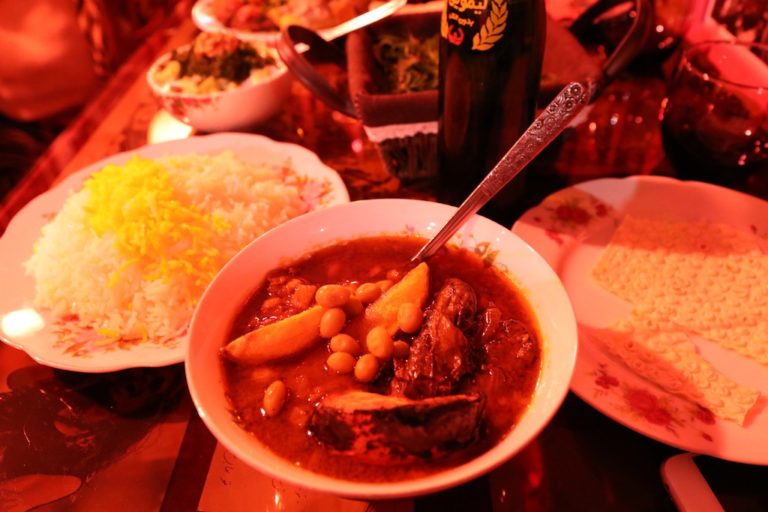
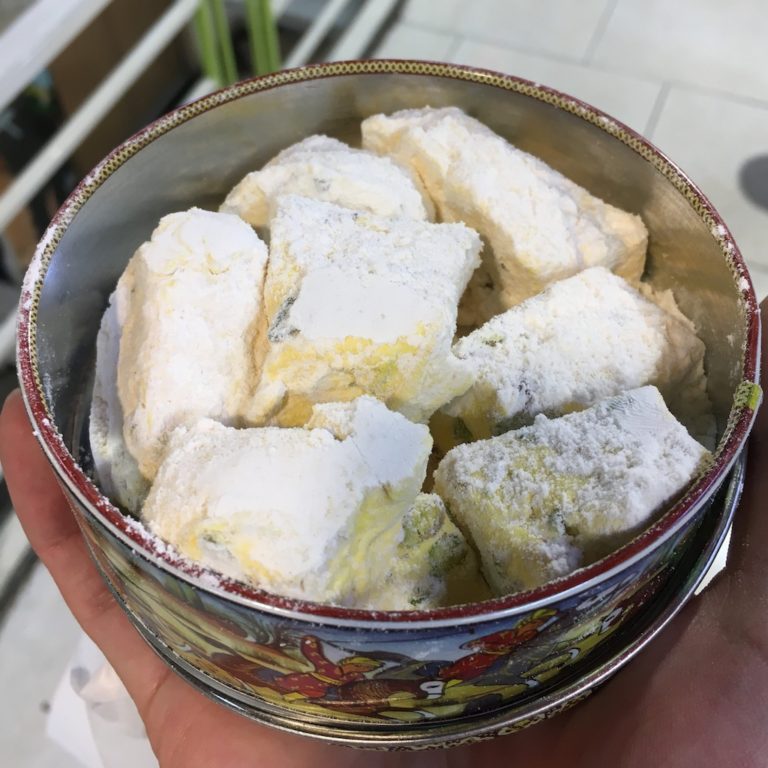
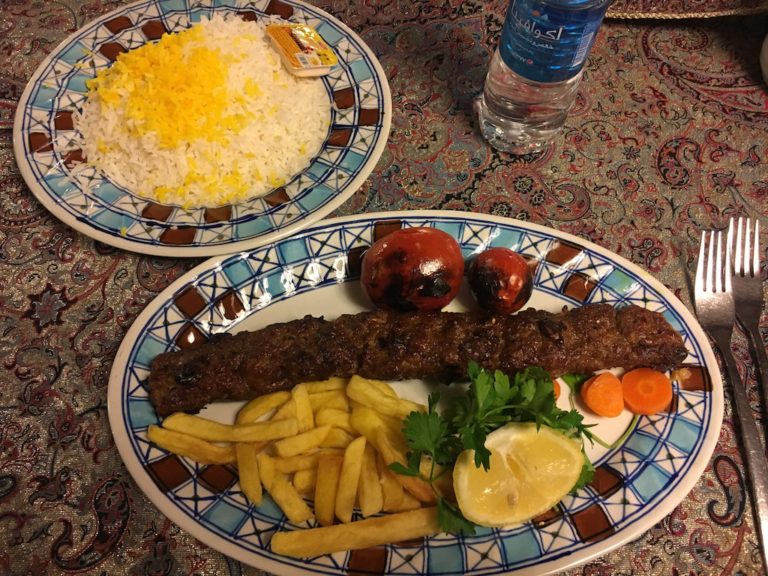
The food in Iran was a major highlight of the trip. Having had Persian food before a few times throughout my travels, I thought I had a rough idea of the flavors but there is so much more than what I knew. Besides the standard kabob, there was so much more amazing dishes such as Zereshk Polow (Chicken with Barberries), Fesenjan (Chicken with pomegranate sauce), Dizi (traditional soup, interactive dish too!), Khoresht (stew), Beryani and many more. These dishes had so much flavor and usually are accompanied with fluffy rice and bread. After the main dishes, dessert options such as saffron pistachio ice cream, Faloodeh (sweet vermicelli noodle dessert served cold) and a cup of rosewater tea completes the meal.
Gardens and Tombs of Shiraz
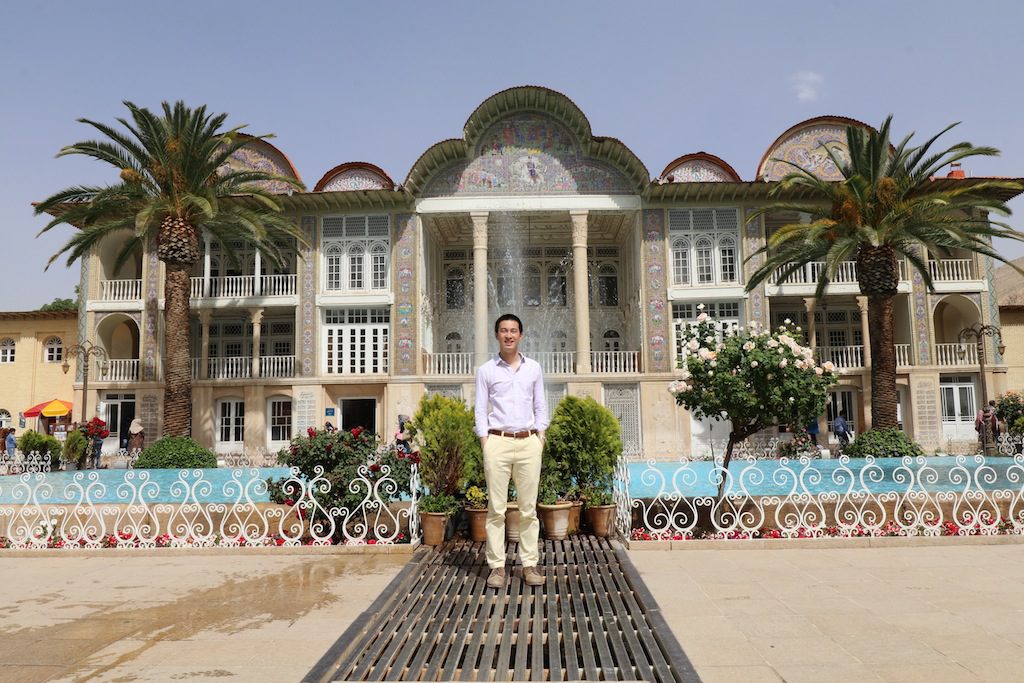
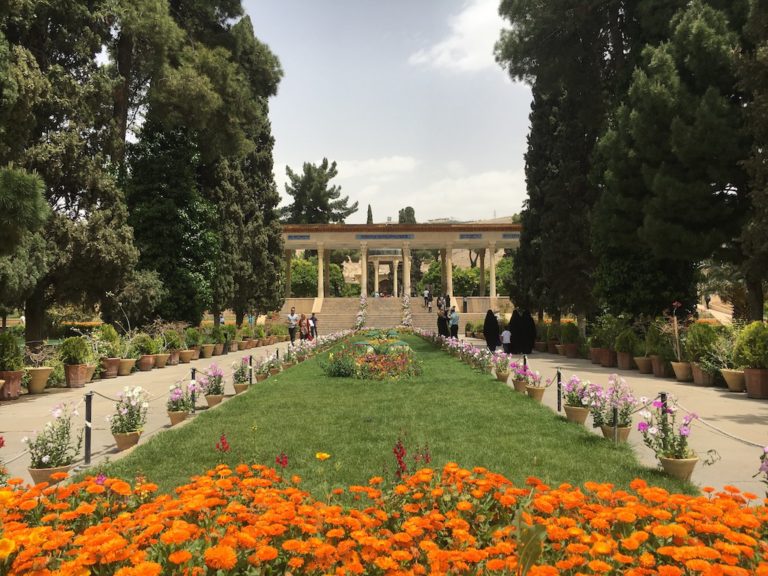
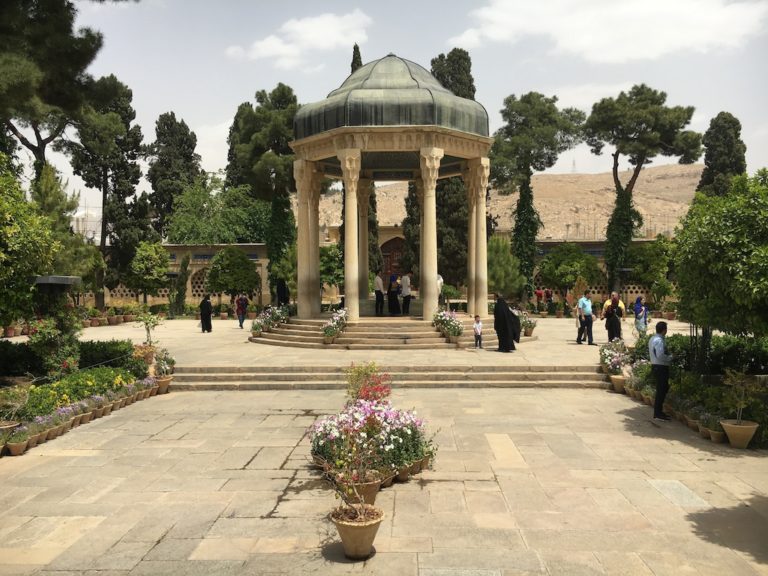
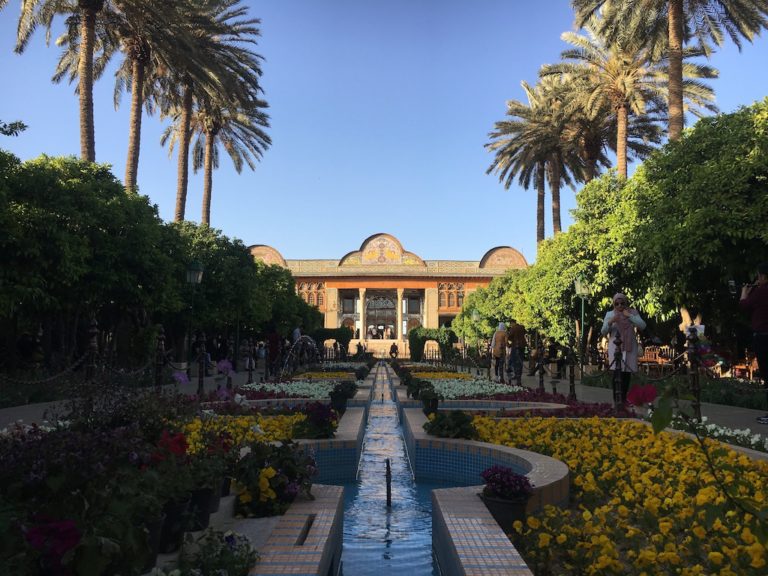
Shiraz is home to many beautiful gardens filled with flowers, palm trees and the local specialty: sour orange trees. These gardens are well manicured and popular with foreigners and locals alike to enjoy the nature and serenity. In addition to gardens, elaborate tombs dedicated to famous Iranian poets such as Hafez and Saadi are commonly visited by many to pay their tributes. These poets almost have a larger than life status as seen by their tombs and often streets named after them.
Persepolis and Necropolis
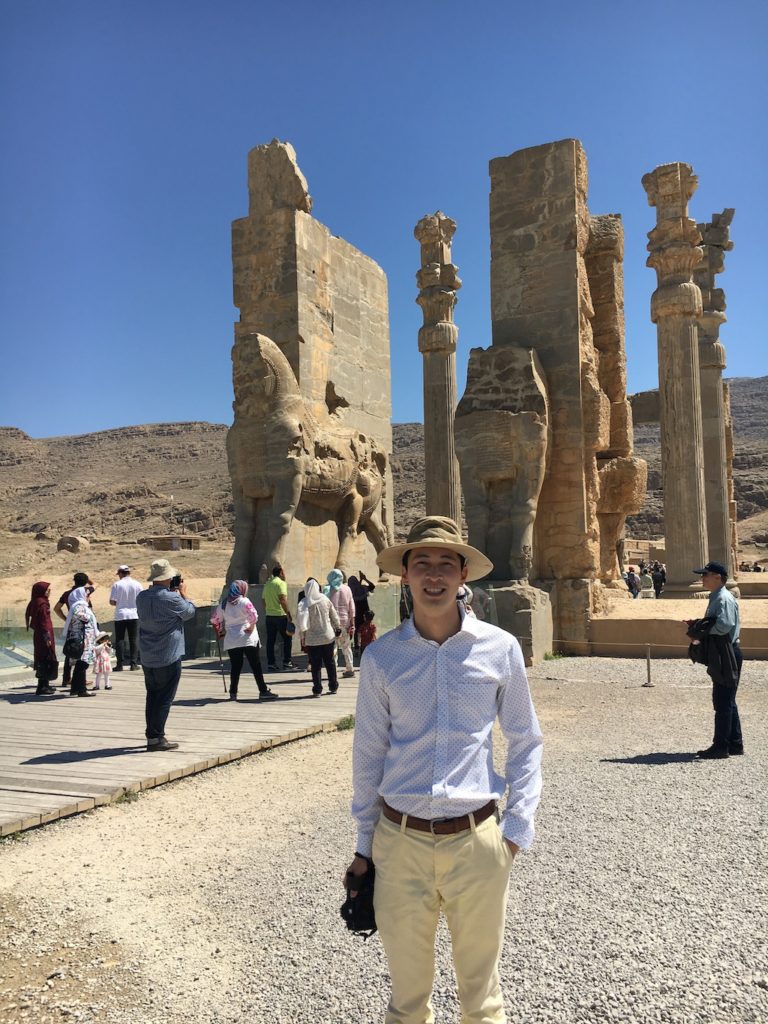
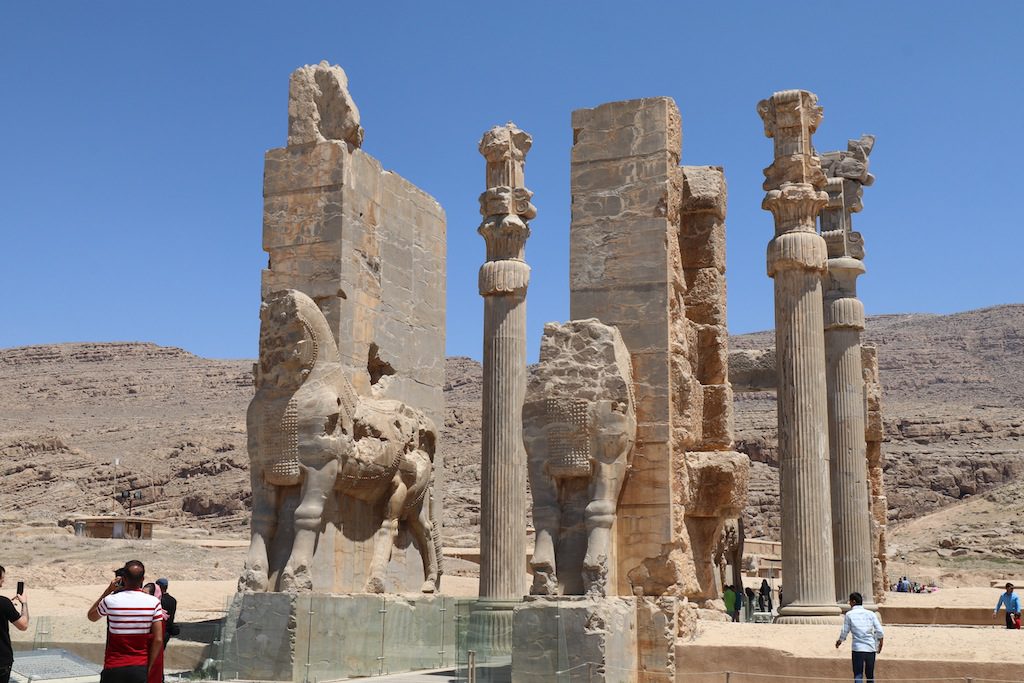
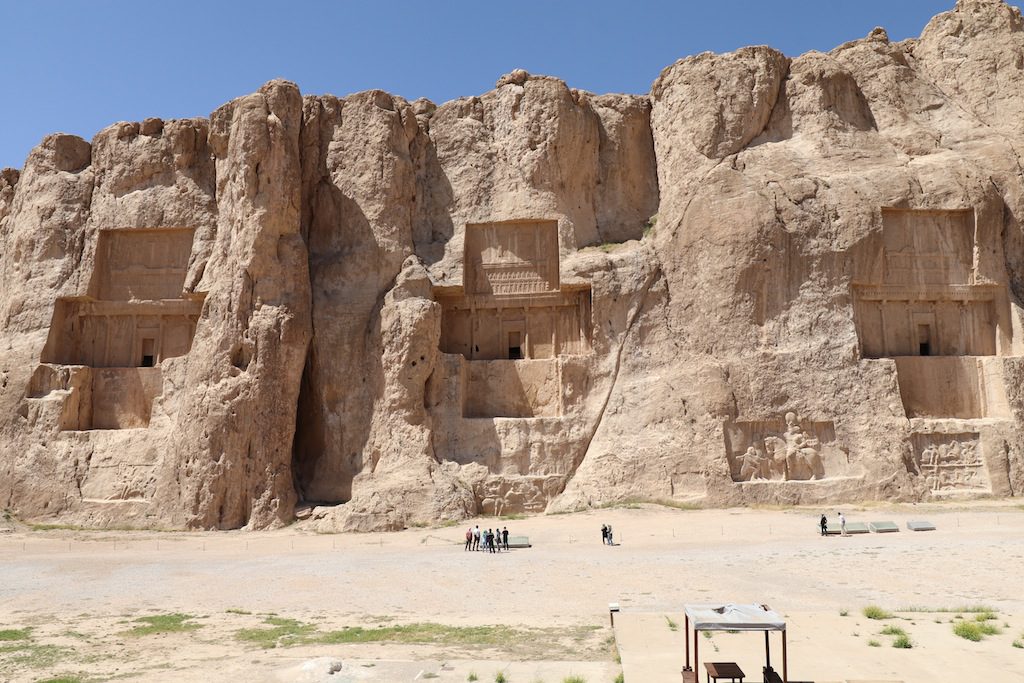
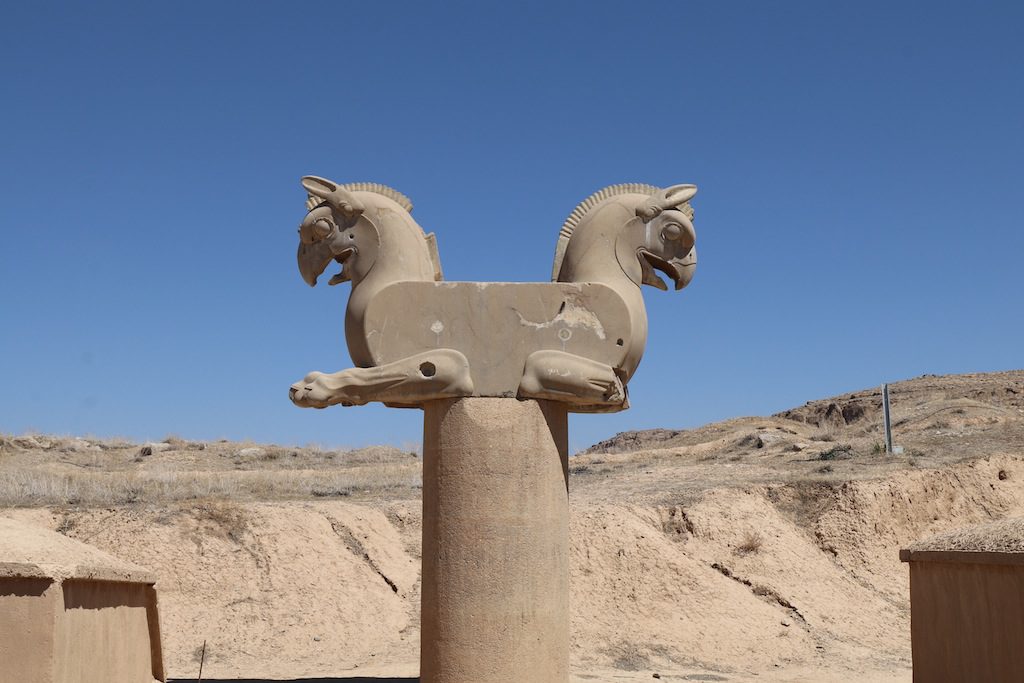
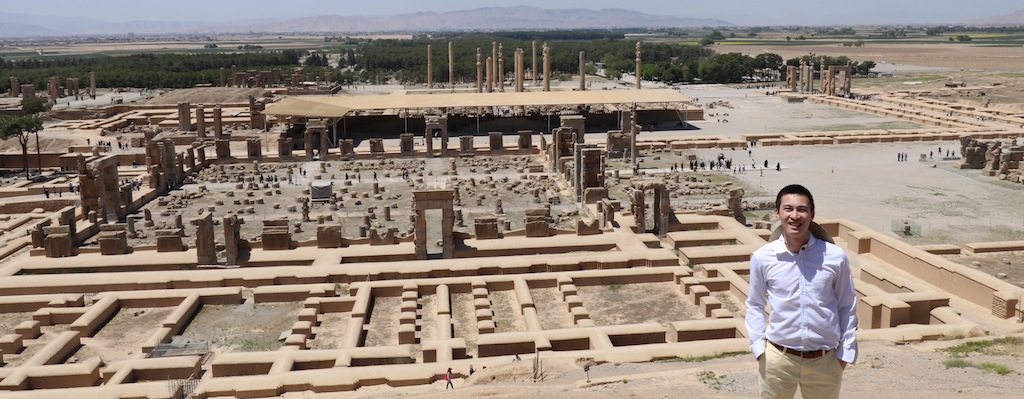
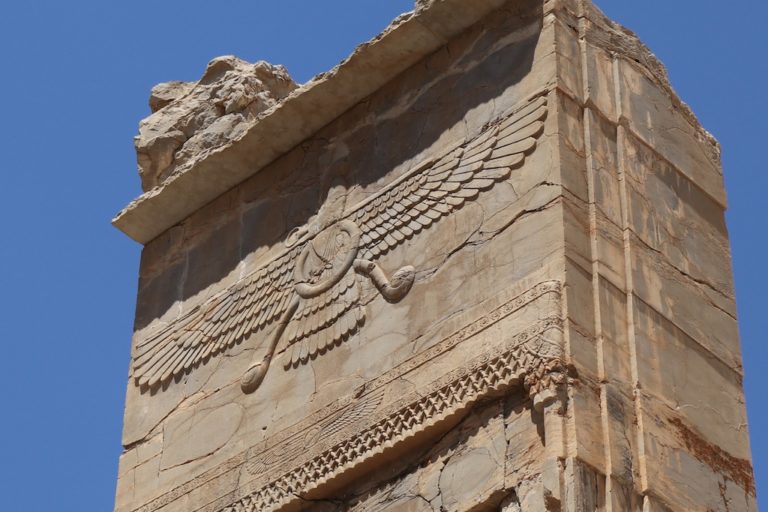
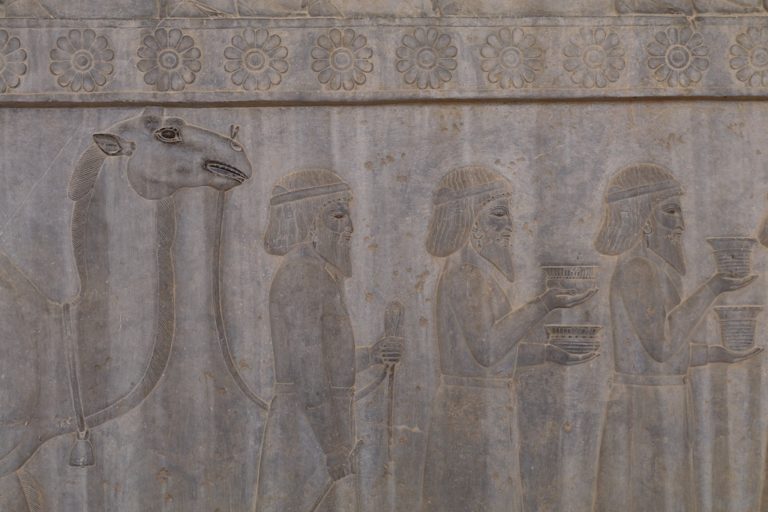
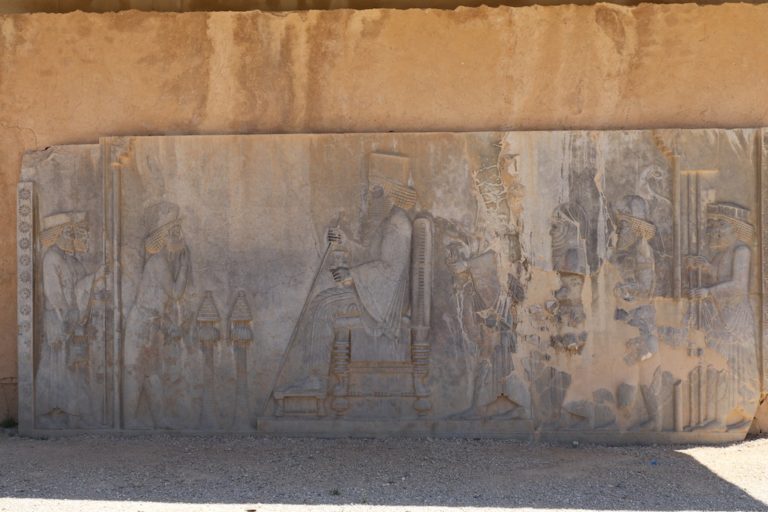
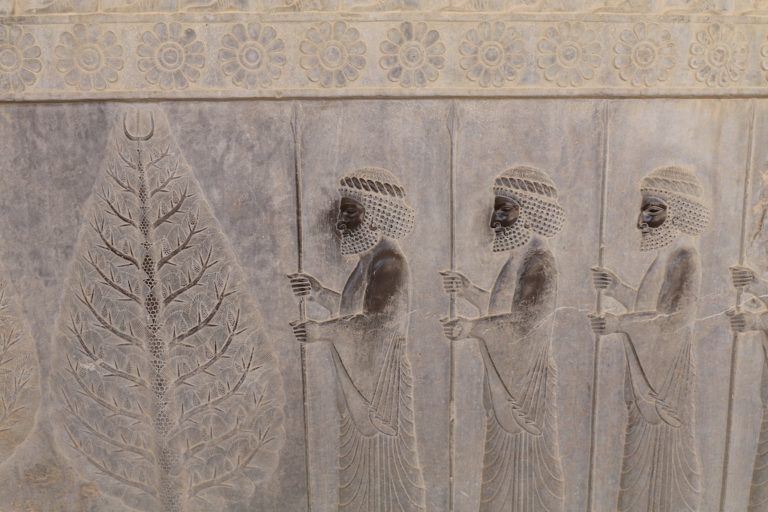
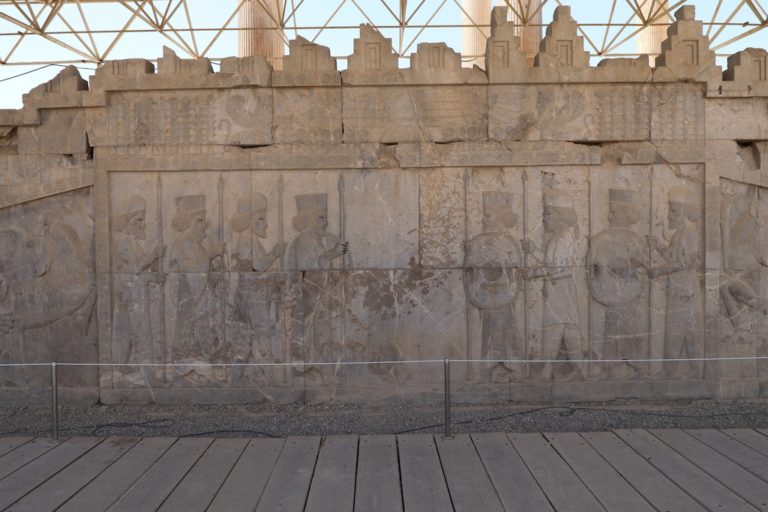
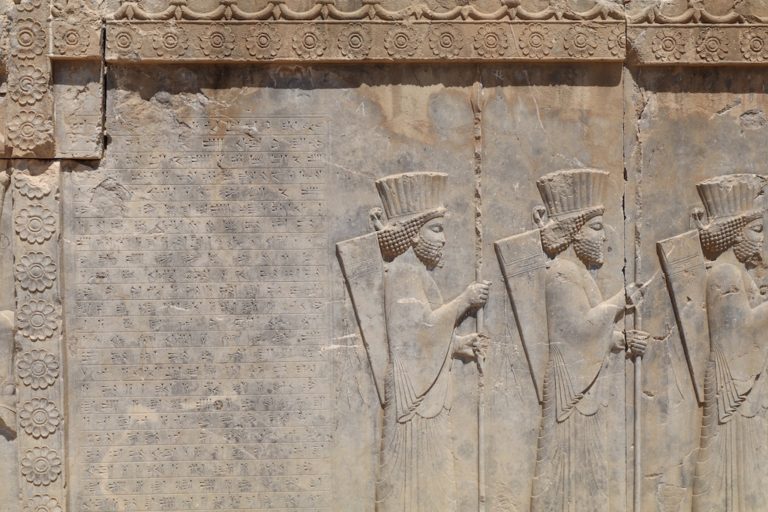
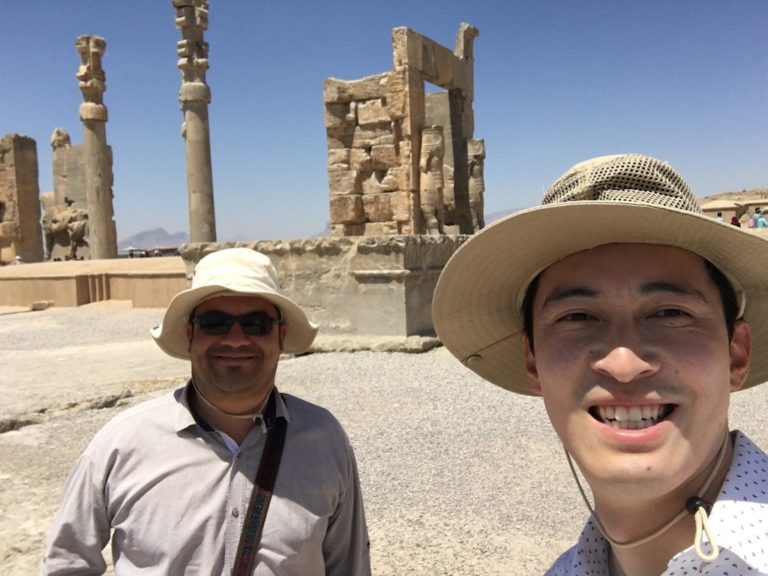
The ancient ceremonial capital of the Achaemenid Empire Persepolis dates back to 500BC. The city was commissioned by Cyrus the Great and built starting with Darius the Great. The remains of the city is an impressive display of what’s left of the ancient empire and the origins of Persia. Highlights of the city include Xerxes Gate (Gate of All Nations), Apadana Palace, Great Double Staircase and the Palace of 100 Columns. In addition to Persepolis, Necropolis was nearby which contained the tombs of greats such as Darius II, Artaxerxes I, Darius I and Xerxes I. Both sites an amazing place with thousands of years of ancient civilization history.
Awesome travel friend/tour guide Ali and new local friends
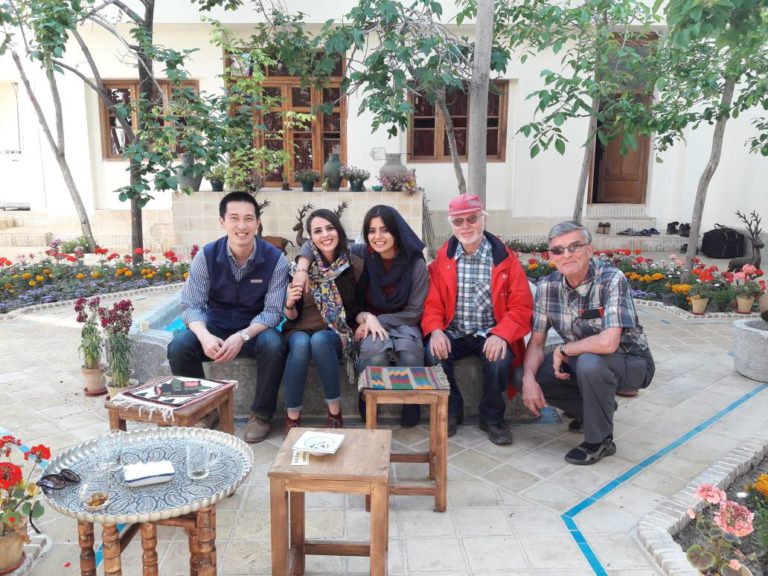
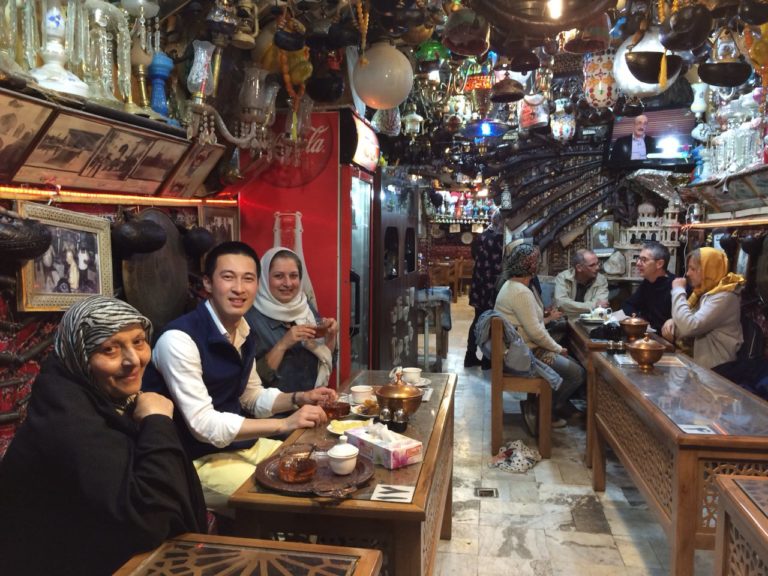
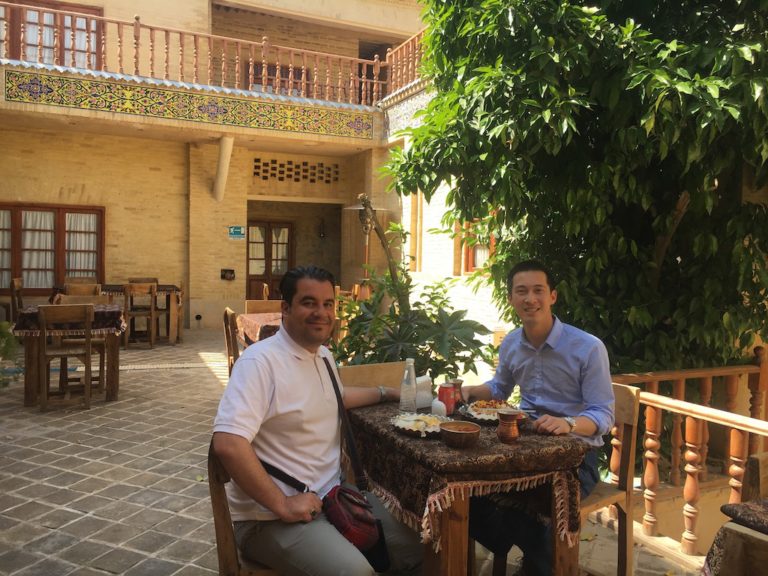
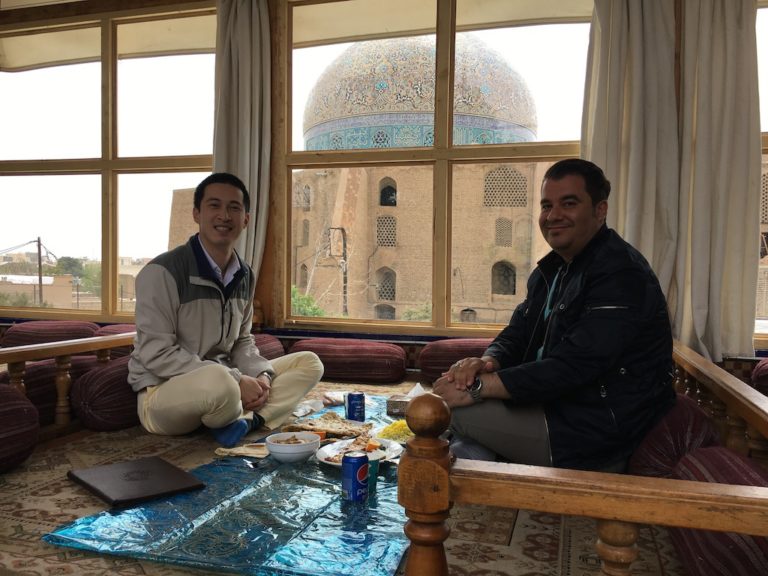
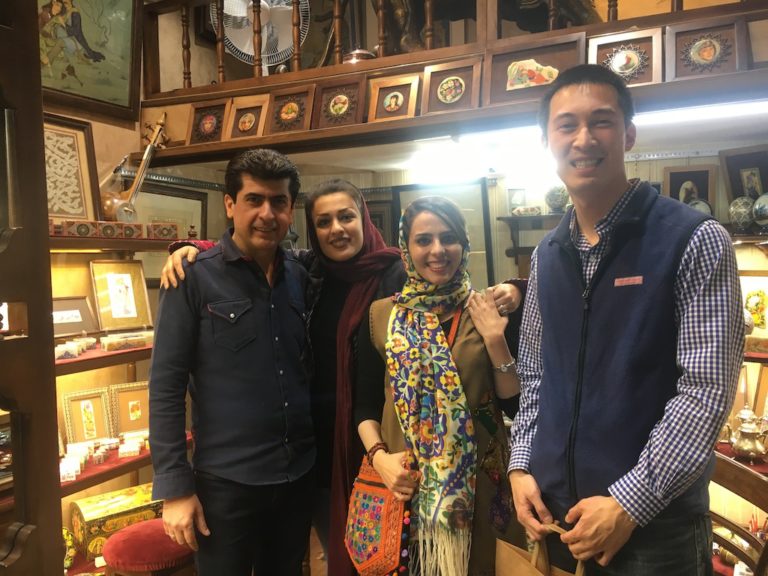
My tour was just myself and Ali for the 8 days. Ali was an amazing tour guide and our time went by faster than I would’ve liked traveling around Iran as newly minted friends. The people I’ve met have been so amazing and welcoming to their home country and culture. In addition to Ali, I was lucky enough to meet and be shown around by some locals who were family relatives of friends here in the US, a truly authentic experience beyond just the textbook touristy attractions.
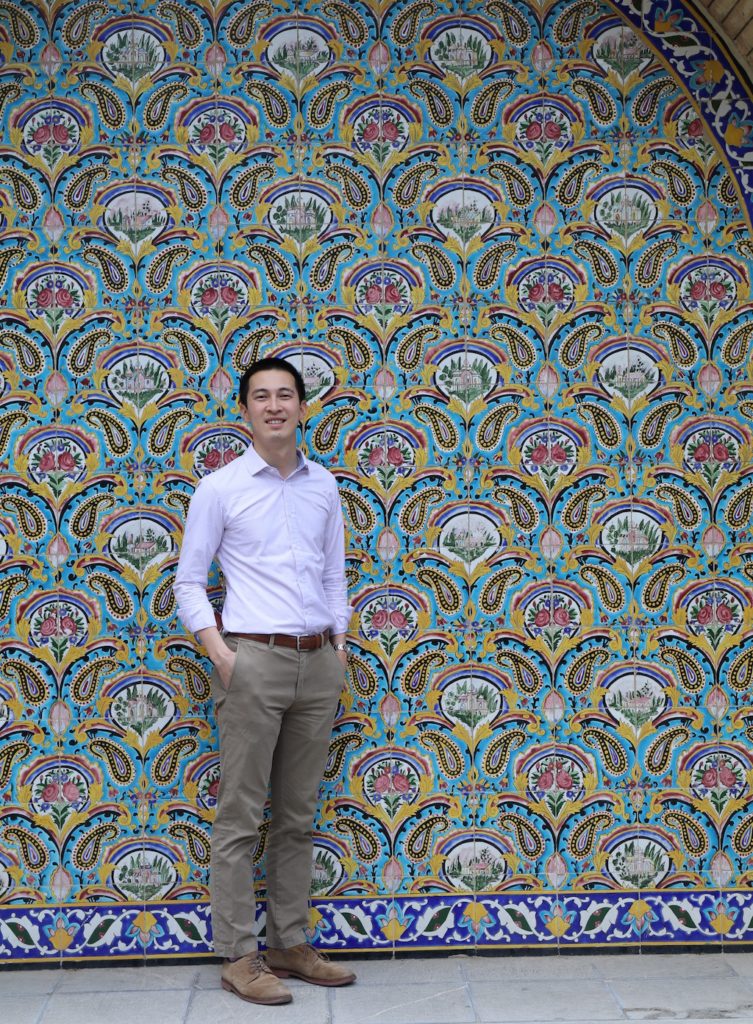
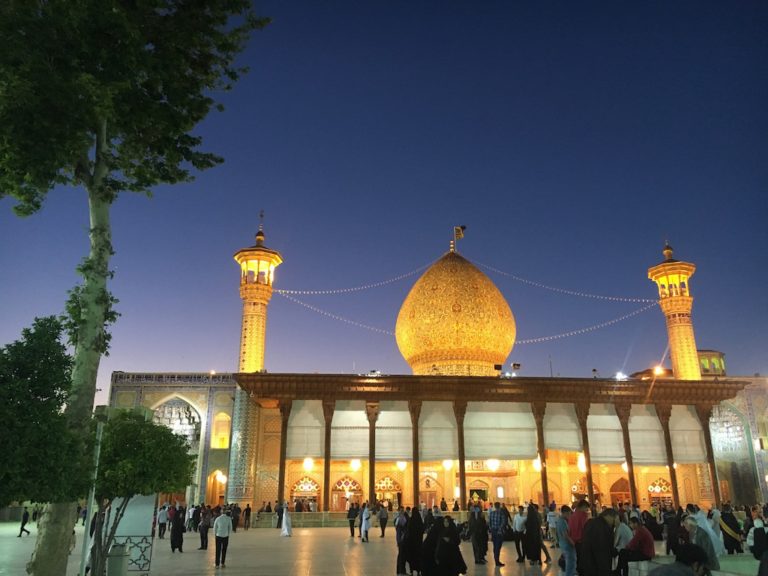
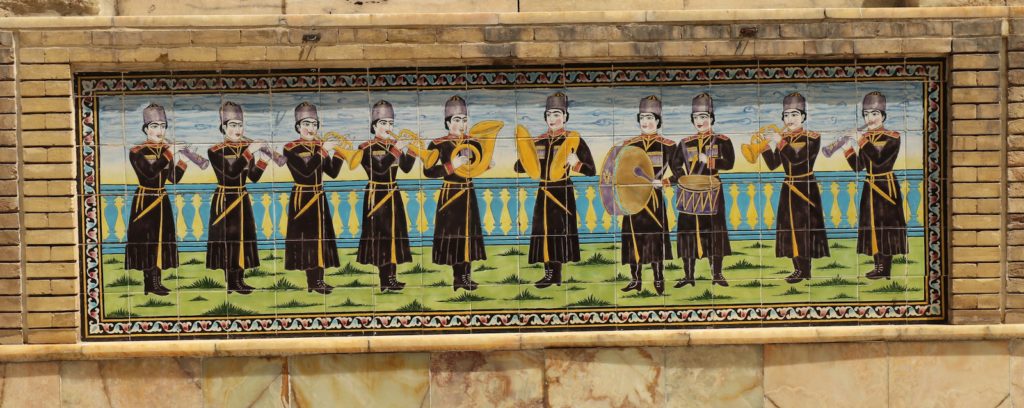
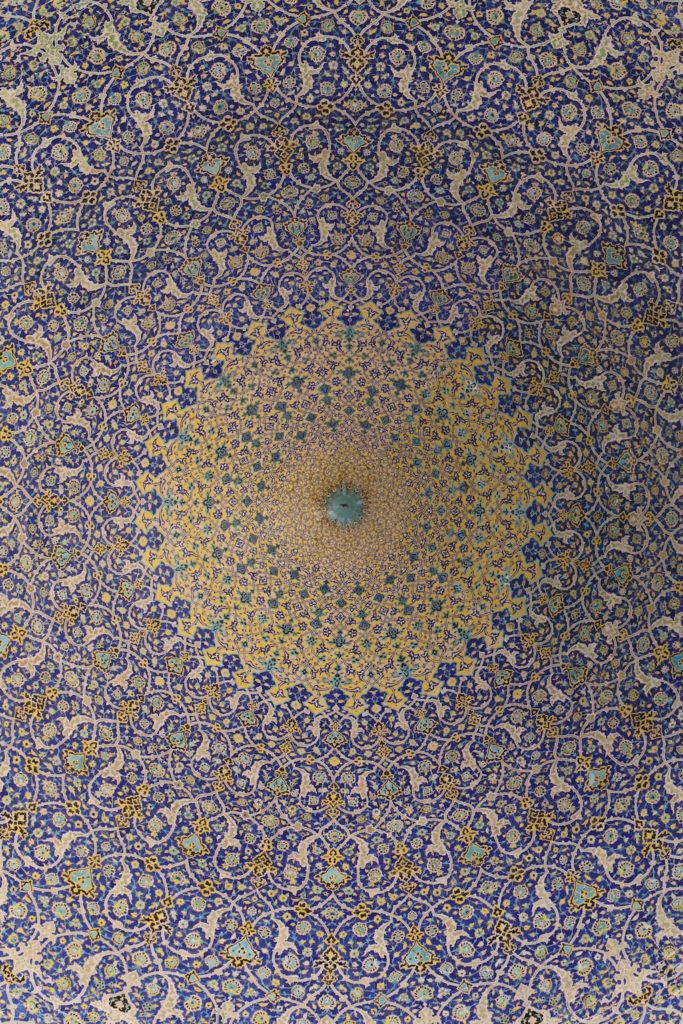
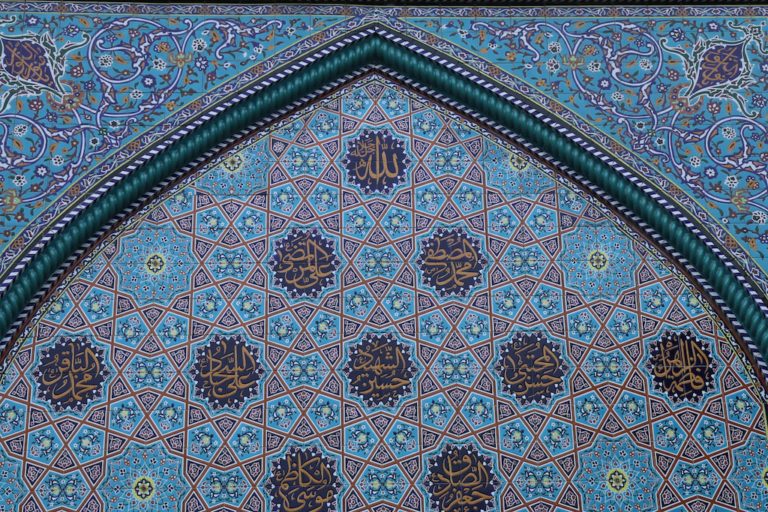
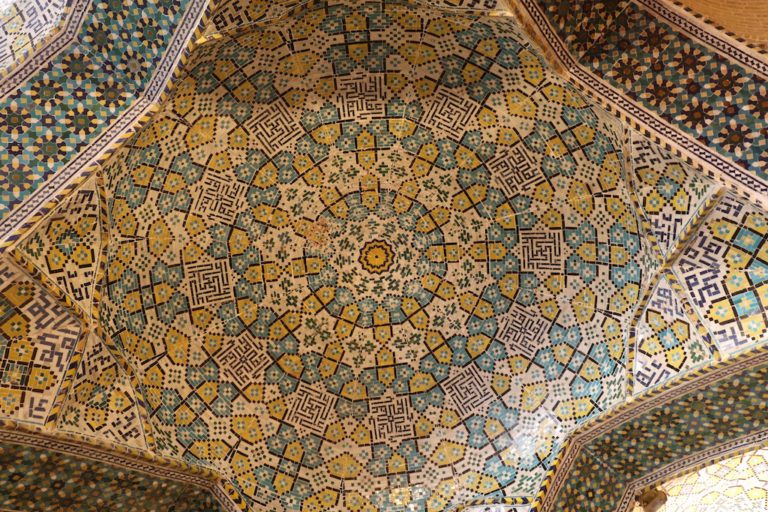
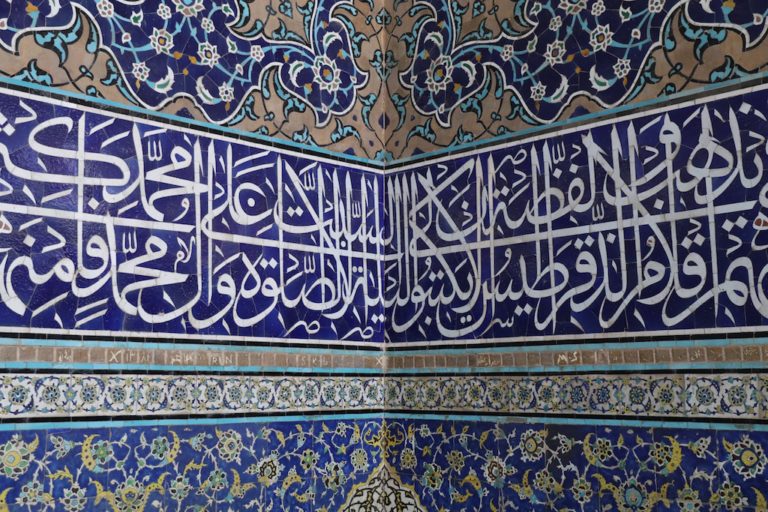
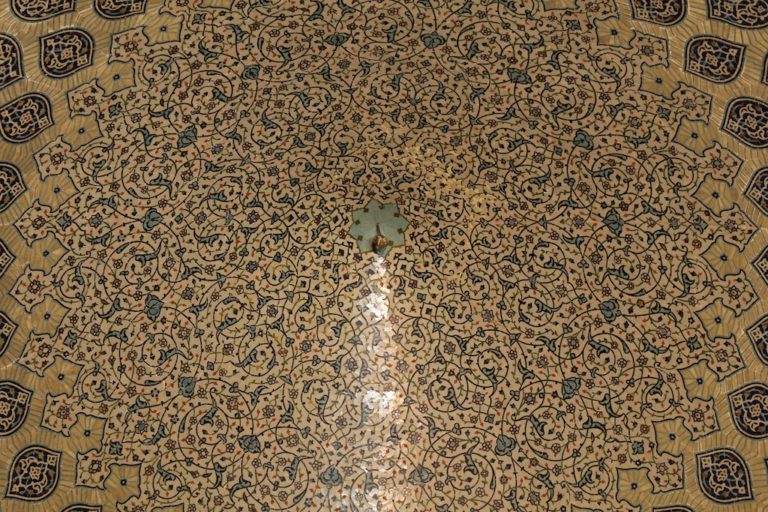
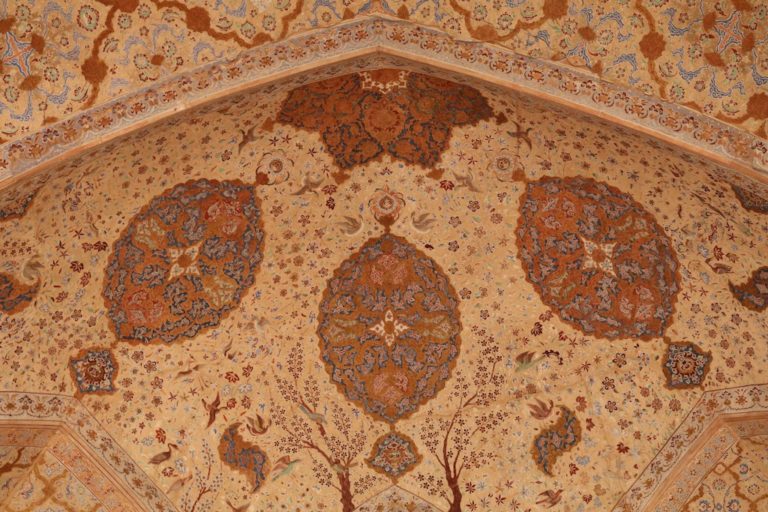
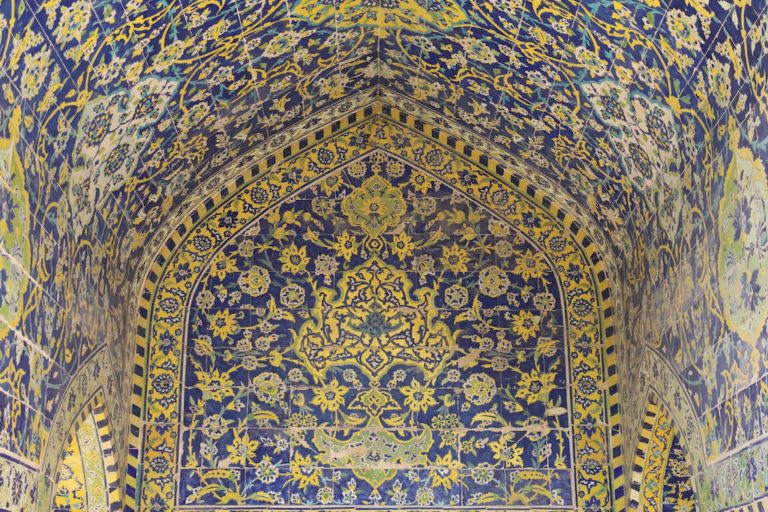
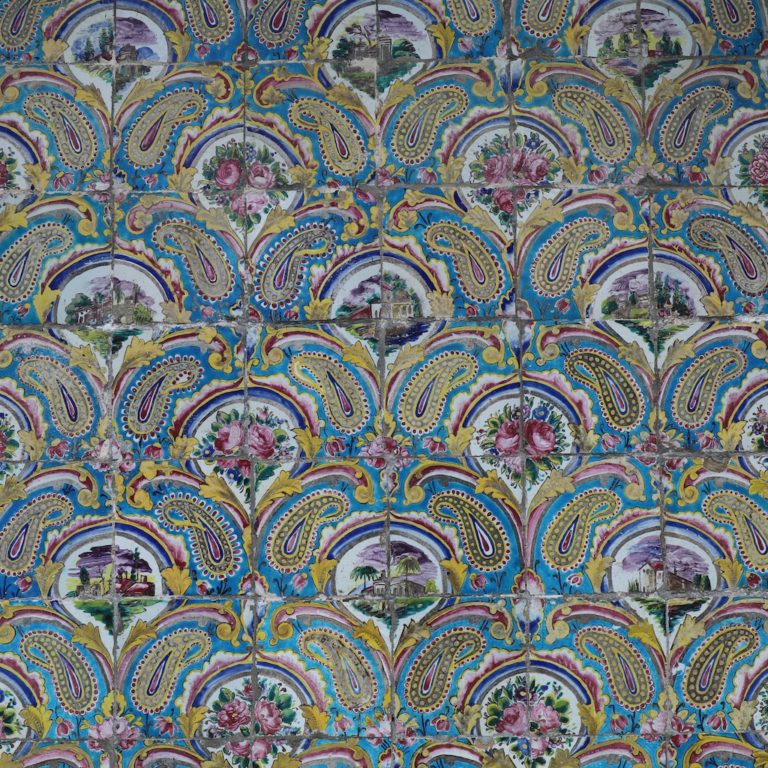
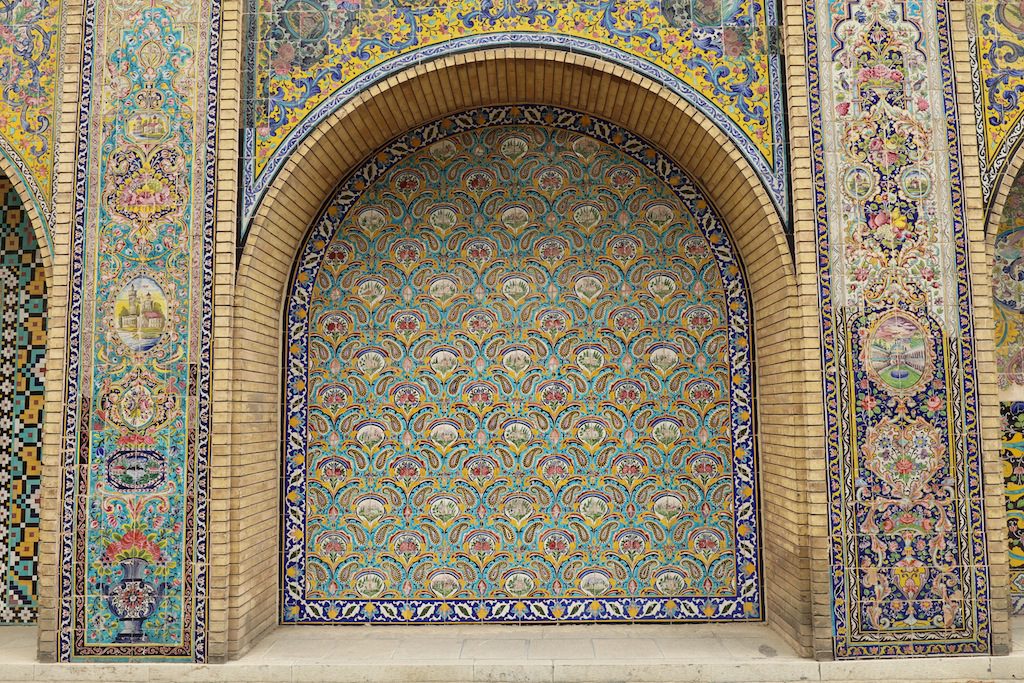
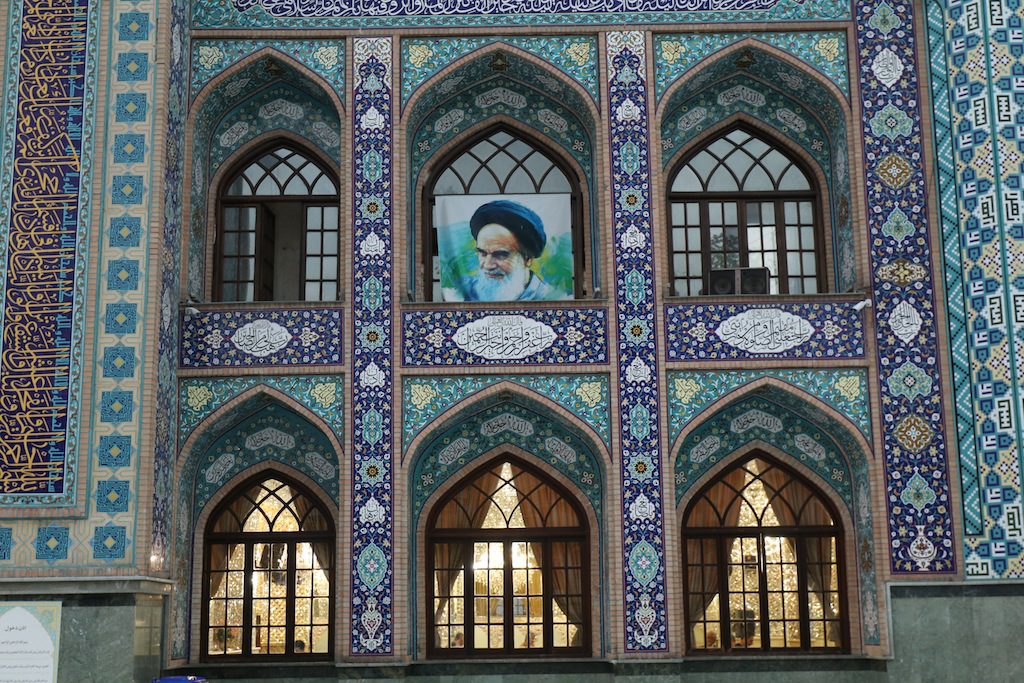
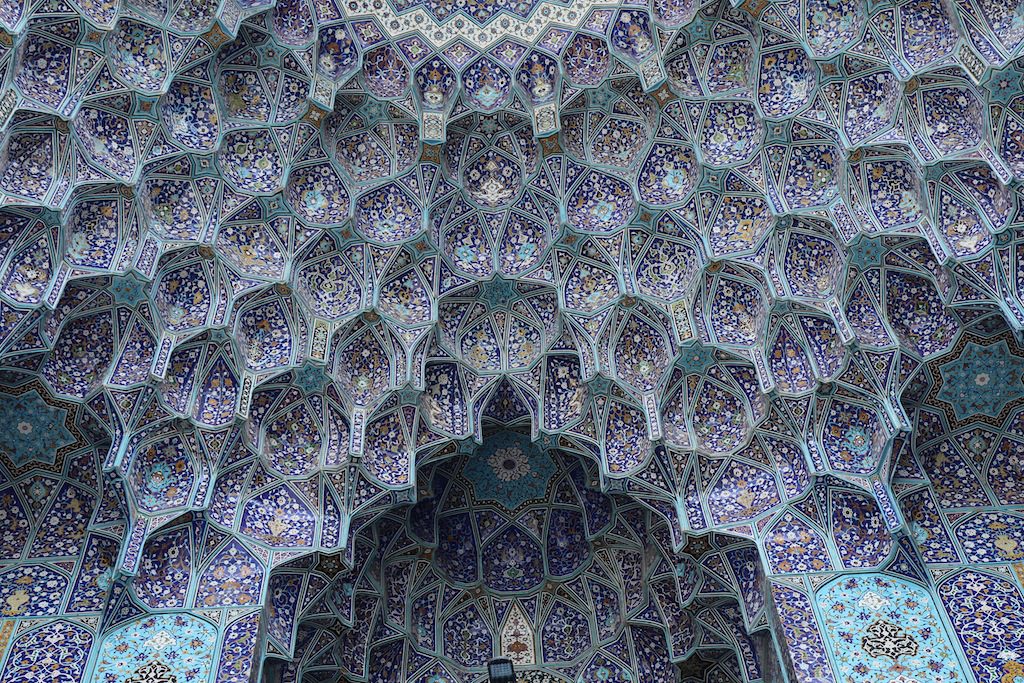
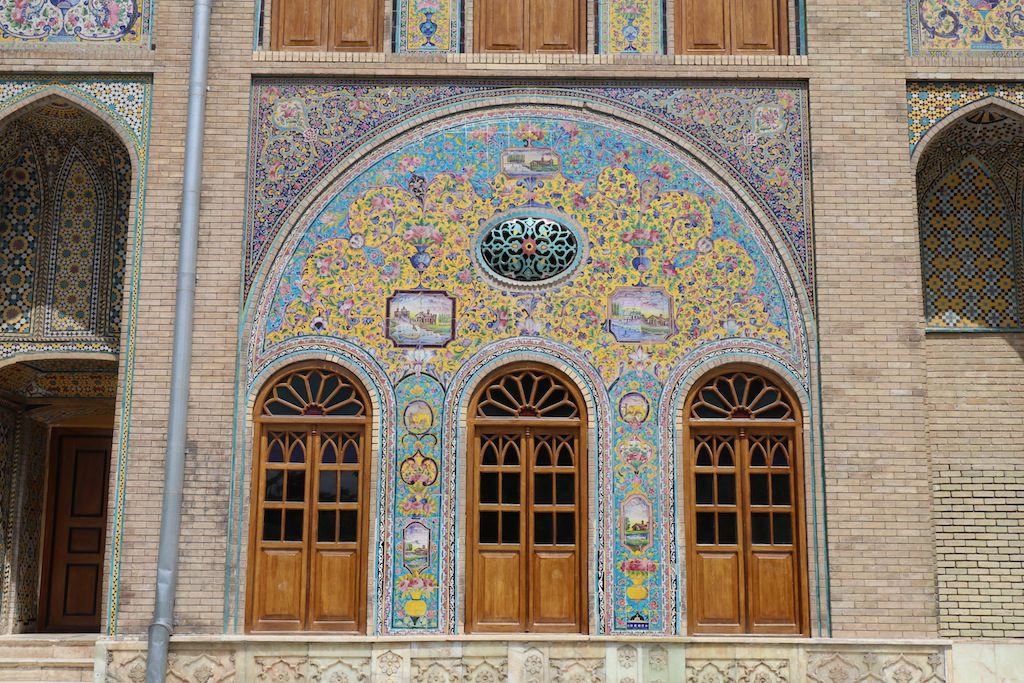
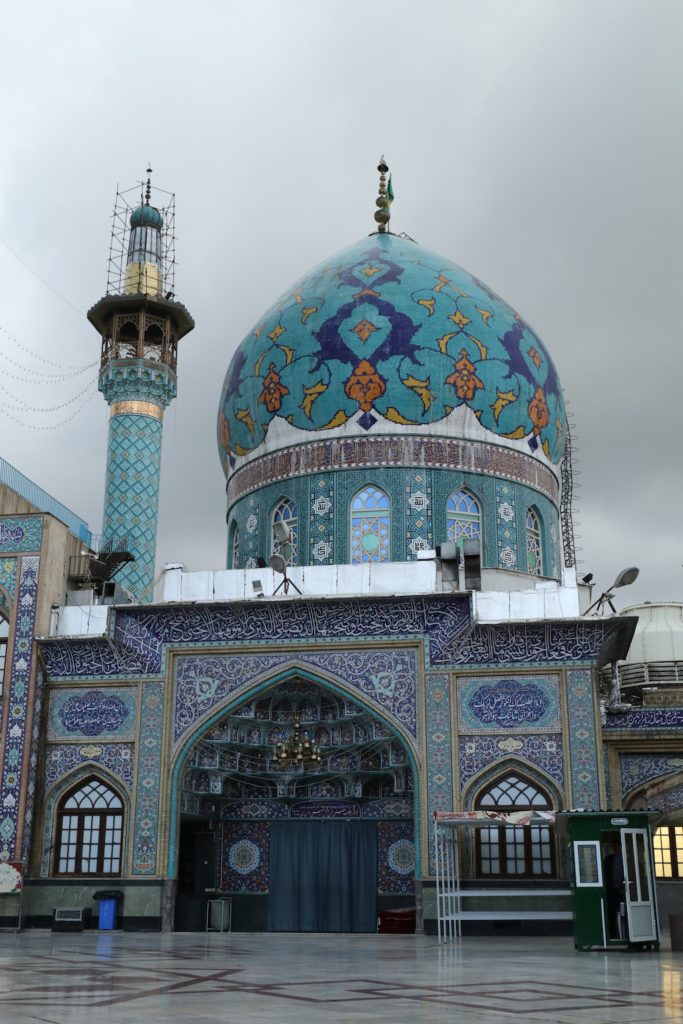
The amazing craftsmanship of the tile work everywhere in Iran is truly a sight to see. These tiles are hand painted and many of them have lasted for hundreds of years going back to various Persian king rulings. These historic painted tiles can be found on the domes (both outside and insides) of mosques, palaces, shrines and many other heritage sites. Many of the artwork depicts phrases of the Quran embedded with the intricate patterns and colors, some unique to certain dynasties and time periods.